India's Sugar Export Ban Sparks Smuggling Amidst Festival Season
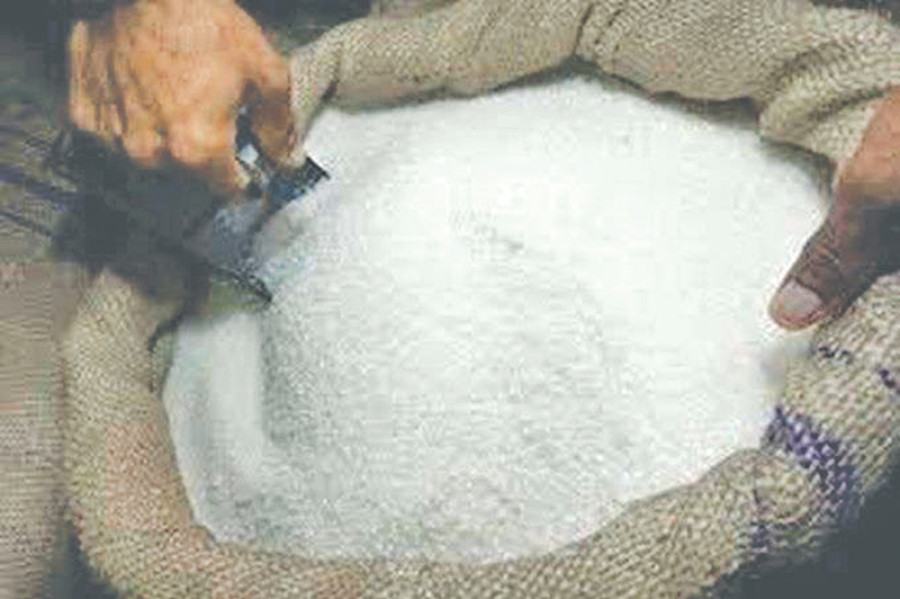
India's recent ban on sugar exports has led to an increase in smuggling activities, particularly as the peak festival season approaches. The Armed Police Force has reported significant seizures, confiscating 10 tonnes of smuggled sugar within the last month alone. This amount is more than double the quantity of sugar seized in the preceding month, indicating a sharp rise in illicit trade. The ban, implemented to ensure domestic supply and control inflation, appears to be creating unintended consequences by driving the commodity underground. Festival seasons in India typically see a surge in demand for sugar, making the current situation particularly sensitive for both consumers and traders. The increased smuggling suggests that the demand for sugar, both domestically and potentially for re-export through illicit channels, remains high despite the official export restrictions. Authorities are now facing the challenge of curbing this growing smuggling problem while managing domestic sugar availability.
India's sugar export ban, intended to stabilize domestic prices and ensure supply for festivals, has inadvertently created economic incentives for smuggling. This situation highlights a common challenge in commodity management: strict export controls can drive trade into illicit channels when international prices remain attractive or domestic demand is exceptionally high. The surge in seizures suggests that enforcement mechanisms are detecting increased activity, but the scale of the problem may be larger. Looking ahead, such bans can disrupt established trade relationships and potentially lead to retaliatory measures or shifts in global supply chains. Policymakers must balance the immediate goal of domestic price stability with the long-term implications for market integrity and international trade.
AI-generated to prompt reflection — not editorial opinion, not advice, not a statement of fact. How this works.