India's Supreme Court Hears Plea on FIRs Against Youth in CJP Protest; Some Released
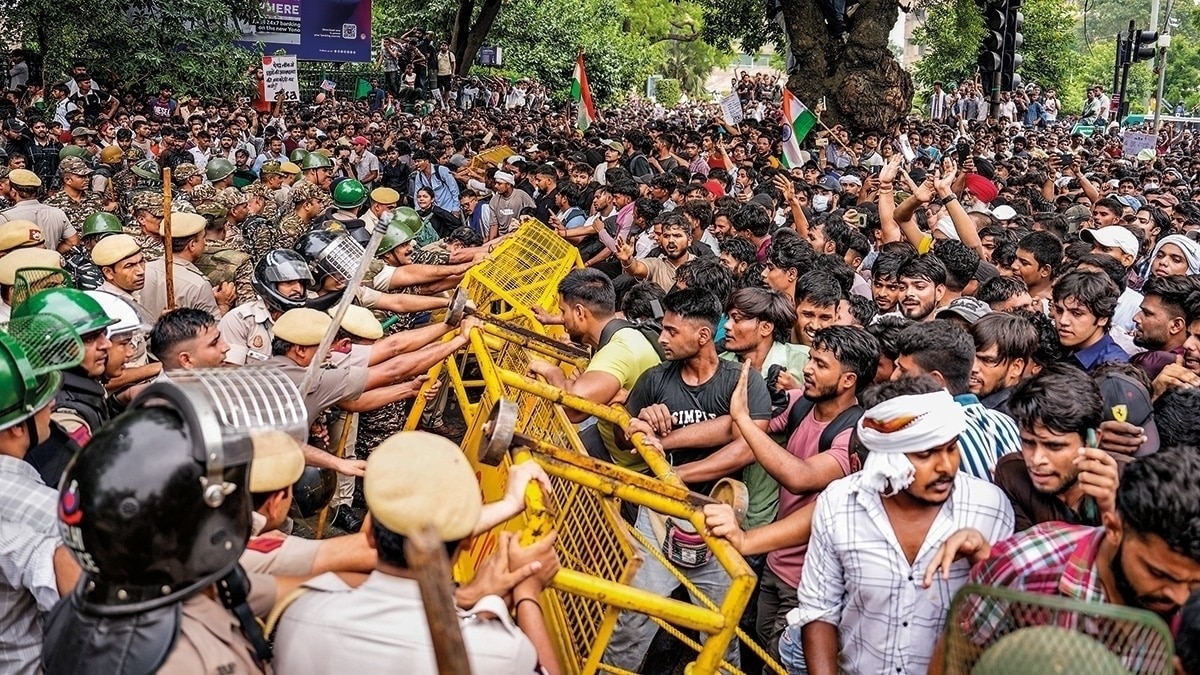
The Supreme Court of India heard a case on Monday concerning First Information Reports (FIRs) filed against young individuals and the release of those arrested during a Citizens for Justice and Peace (CJP) protest. Solicitor General Tushar Mehta informed the court that individuals without any prior criminal record have been released. This hearing addresses the legal ramifications of actions taken against protesters, focusing on the distinction between those with and without criminal histories. The court's proceedings aim to ensure fair treatment and due process for all individuals involved in the demonstrations. The decision to release those with clean records indicates a judicial effort to differentiate between legitimate protest and criminal activity.
The Supreme Court's engagement with FIRs and arrests stemming from the CJP protest highlights the critical balance between maintaining public order and upholding fundamental rights to assembly and expression. The Solicitor General's statement regarding the release of individuals with no criminal background suggests a procedural mechanism to mitigate potential overreach in law enforcement actions. This approach, if consistently applied, could foster greater trust in the justice system by ensuring that punitive measures are proportionate to the alleged offenses and individual histories. Moving forward, the long-term implications for protestor rights and the definition of seditious or disruptive conduct will be shaped by how such cases are adjudicated, influencing the landscape of civil liberties in India.
AI-generated to prompt reflection — not editorial opinion, not advice, not a statement of fact. How this works.
