India's Supreme Court Orders Release of Minors, Protects Protester Data
India's Supreme Court has ordered the release of all individuals under 18 arrested during recent youth protests concerning exam leaks. Chief Justice Surya Kant also mandated the preservation of all surveillance footage, including drone, body camera, and CCTV recordings, along with protesters' personal and digital data. This directive came in response to petitions alleging police brutality and excessive force, including the use of pellet guns, against demonstrators in the national capital and other cities. The court emphasized the need for a fair and independent investigation into any alleged atrocities against protesters, stating that responsibility must be fixed.
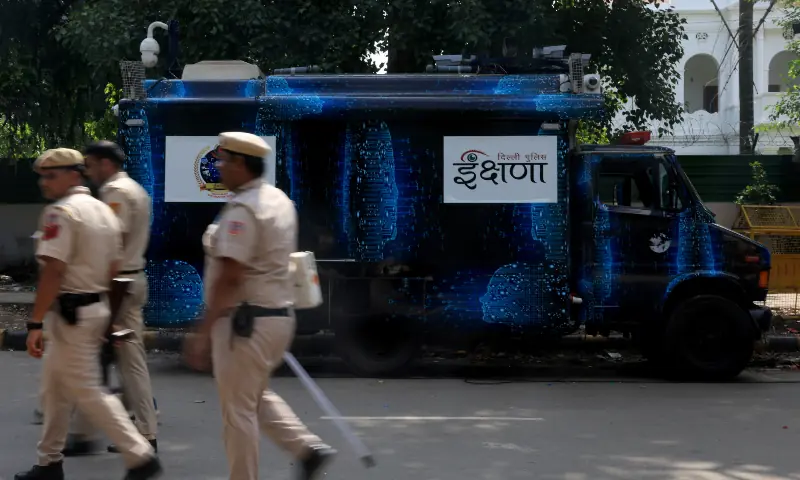
The government, while defending its police actions as lawful crowd control, acknowledged the seriousness of student attacks but noted that approximately 250 police officers were also injured. The protests, which began due to leaked medical college entrance exam papers, concluded on Saturday after the education minister resigned. The government agreed to the protesters' demands for exam reforms, the withdrawal of police cases, and compensation for families of students who died by suicide following the leaks. Reports of clashes, including tear gas and baton charges in New Delhi, and the suspension of a policeman for firing in the air have surfaced. Concerns have also been raised by activists regarding the use of AI-powered surveillance vans during the demonstrations.
The Indian Supreme Court's interim orders reflect a critical juncture in balancing state authority with citizens' rights to protest, particularly concerning youth demonstrations. The directive to preserve evidence and release minors addresses immediate concerns of potential overreach by law enforcement. However, the underlying issues of exam integrity, alleged police misconduct, and the use of advanced surveillance technologies like AI-powered vans highlight systemic challenges. Future governance will need to establish clearer protocols for crowd management, data privacy in public spaces, and robust, independent oversight mechanisms to ensure accountability and prevent the erosion of civil liberties amid technological advancements. The government's response, acknowledging both police injuries and the need for investigation, suggests a complex interplay of public order concerns and democratic accountability.
AI-generated to prompt reflection — not editorial opinion, not advice, not a statement of fact. How this works.