India's Supreme Court to Hear Bhojshala Mosque Dispute, Grants Limited Prayer Access
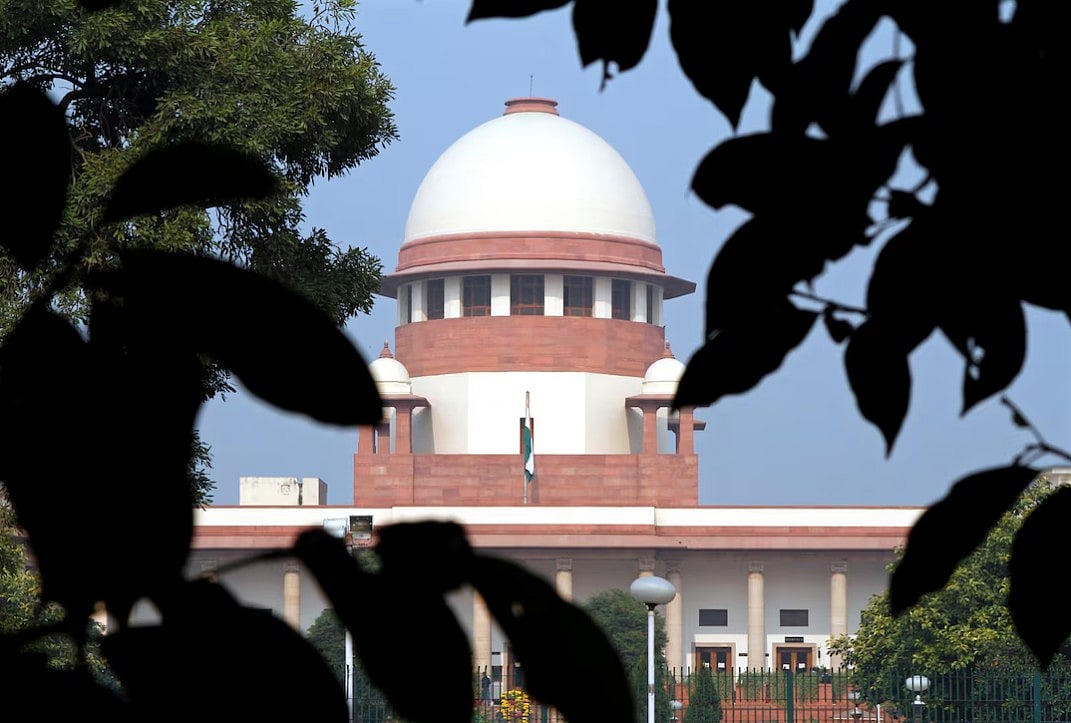
India's Supreme Court has agreed to hear an appeal against a Madhya Pradesh High Court ruling that declared the Bhojshala Mosque a temple. The Supreme Court acknowledged the sensitive nature of the dispute, urging both Hindu and Muslim communities to exercise patience while it expedites a resolution. However, the court denied an interim request from the Muslim community to offer prayers within the Bhojshala-Kamal Maula Mosque itself.
Instead, the Supreme Court has directed the Madhya Pradesh government to designate an open space adjacent to the Bhojshala for Muslim congregants to offer Friday prayers between 1 PM and 3 PM. The Archaeological Survey of India (ASI) has also been prohibited from making any structural changes to the site without court permission. The Muslim side is challenging the May ruling by the Madhya Pradesh High Court, which had designated the mosque as a temple, seeking to maintain their right to pray on the premises. The ASI's 2003 order had previously allowed Friday prayers for Muslims and Tuesday prayers for Hindus at the site, a practice that was later overturned by the Madhya Pradesh High Court in May.
The ASI's survey, conducted over 98 days following a March 11 order, reportedly found evidence of a large structure predating the current mosque, built with reused temple architectural elements. While the Hindu community claims this survey, including coins and inscriptions, proves the site was originally a temple, the Muslim community contends the ASI report is biased and prepared to support the Hindu petitioners' claims. The dispute centers on whether the site is historically a temple dedicated to Goddess Saraswati, as claimed by Hindus, or has been used as the Kamal Maula Mosque for centuries, as asserted by Muslims.
The Indian Supreme Court's approach to the Bhojshala dispute reflects a strategy of managing a deeply entrenched historical and religious conflict. By accepting the appeal for a full hearing while simultaneously granting limited, external prayer access, the court aims to de-escalate immediate tensions without prejudging the final outcome. This interim measure acknowledges the practical needs of the Muslim community while respecting the ongoing legal process. The ASI's involvement and the subsequent report highlight the role of scientific and archaeological evidence in historical disputes, though the court must critically evaluate its interpretation and potential biases. The situation underscores the challenge of reconciling competing historical narratives with contemporary religious rights, particularly in a pluralistic society. The court's emphasis on patience and expedited resolution signals a desire to move beyond prolonged litigation, but the underlying historical claims and differing interpretations of evidence will require careful judicial navigation over the next decade.
AI-generated to prompt reflection — not editorial opinion, not advice, not a statement of fact. How this works.