India's Top Court Refuses to Watch Police Brutality Videos in Student Protest Case
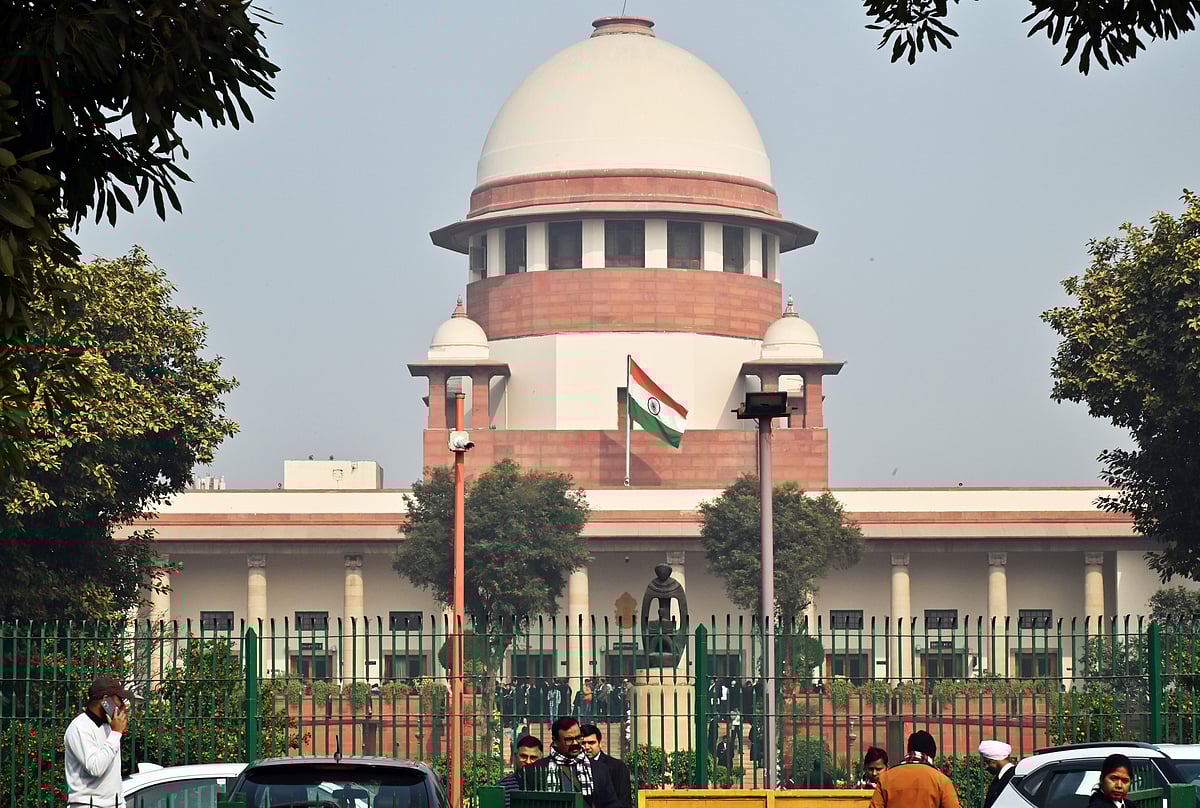
India's Supreme Court has refused to view video evidence of alleged police brutality against student protesters in New Delhi. A petition was filed in the court concerning the Delhi Police's actions against students protesting the resignation of Union Education Minister Dharmendra Pradhan, who faces demands for stepping down amid exam paper leaks. The Kokroach Janata Party (CJP), a group formed in May 2026, has been leading these protests, which have become a significant national political issue, with support from various opposition parties including Congress.
During a hearing on Wednesday, a lawyer representing the students presented to Chief Justice Surya Kant that they possessed video evidence of the police's alleged excessive force. However, the Chief Justice declined the request for an urgent hearing, stating, "We don't have time to watch videos." He also urged the lawyer not to waste the court's time or their own. This follows a similar refusal by the Delhi High Court on Tuesday to hear an urgent application on the matter, advising the court not to be drawn into it.
Reports from social media, eyewitnesses, and video footage indicate that Delhi Police used tear gas, batons, and plastic batons against the protesting students. The CJP, founded by Abhijit Deep, adopted its name from a derogatory remark made by Chief Justice Surya Kant in June 2026, where he described unemployed and politically active youth as "cockroaches" and "parasites." The movement has gained significant traction on social media, surpassing the ruling BJP in follower numbers. The student protests, advocating for reforms in the National Testing Agency and the proper conduct of national competitive exams like NEET, have escalated since the start of the parliamentary session, posing a major challenge to Prime Minister Narendra Modi's government.
The Supreme Court's refusal to view video evidence of alleged police misconduct raises questions about judicial accessibility and the court's role in addressing public grievances. While courts must manage their dockets efficiently, the dismissal of potential evidence in a matter concerning student rights and police accountability could be perceived as a missed opportunity to scrutinize state actions. The context of the CJP's formation, stemming from a judicial remark, highlights a growing trend of citizen-led movements leveraging online platforms and critical commentary to challenge established power structures. This situation underscores the evolving dynamics between civil society, political discourse, and the judiciary in India, particularly as student activism gains momentum in response to systemic issues in education and governance.
AI-generated to prompt reflection — not editorial opinion, not advice, not a statement of fact. How this works.