India to Establish Fast-Track Courts for Exam Paper Leak Cases
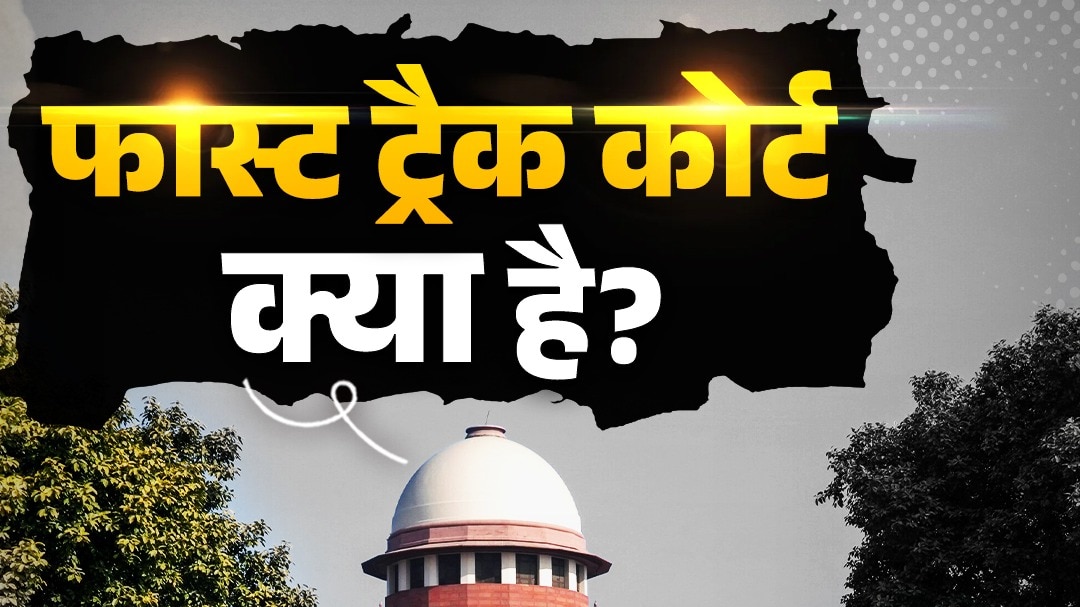
In response to widespread protests and concerns over alleged irregularities and paper leaks in the NEET examination, which have jeopardized the future of millions of students, Prime Minister Narendra Modi has announced the creation of special fast-track courts. These courts are intended to expedite the prosecution and punishment of individuals involved in such offenses. Fast-track courts are not a separate judicial system or a new type of court; rather, they are an integral part of the existing judicial framework. Their primary function is to ensure the swift hearing and resolution of specific, high-priority cases. The establishment of these courts comes amid ongoing demonstrations across various states and at Jantar Mantar, highlighting the public's demand for accountability and timely justice.
The Indian government's initiative to establish fast-track courts for exam paper leak cases addresses a critical public concern regarding educational integrity and fairness. By aiming to accelerate judicial processes for these offenses, the move seeks to deter future misconduct and restore confidence in the examination system. This approach reflects a broader trend of utilizing specialized judicial mechanisms to manage backlogs and address societal issues demanding prompt resolution. The effectiveness of these courts will hinge on their operational efficiency, judicial resource allocation, and the robustness of the legal framework supporting their proceedings, ensuring that swift justice does not compromise due process.
AI-generated to prompt reflection — not editorial opinion, not advice, not a statement of fact. How this works.