India to Introduce Anti-Paper Leak Bill in Parliament on July 27
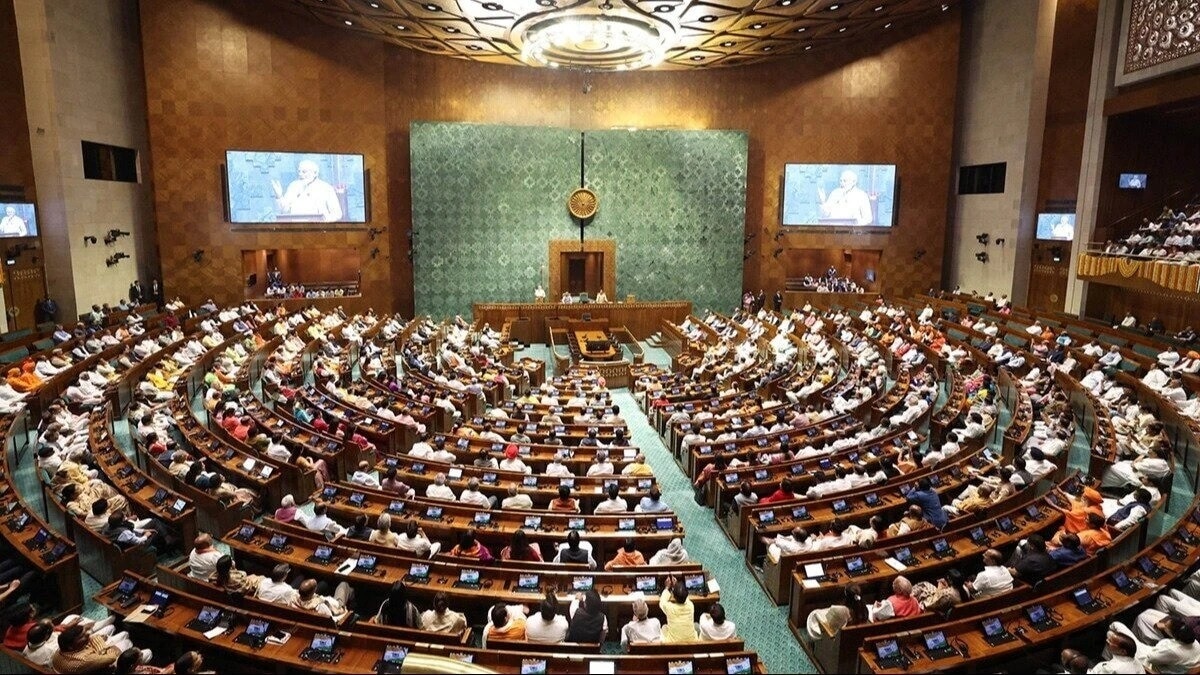
The Indian central government will present a new amendment bill in the Lok Sabha on Monday to strengthen measures against paper leaks and examination malpractices. The proposed legislation aims to establish fast-track courts in every state to conduct daily hearings and complete trials within a 90-day timeframe. This move signifies a significant step towards ensuring fairness and integrity in public examinations and recruitment processes across the country. The bill's introduction reflects the government's commitment to addressing concerns over exam irregularities that have affected numerous aspirants. The establishment of dedicated fast-track courts is expected to expedite the legal process and deliver swifter justice to those involved in or affected by such malpractices. The government hopes this stringent approach will act as a deterrent against future instances of paper leaks and cheating. The bill is scheduled to be presented in Parliament on July 27.
The proposed anti-paper leak bill, with its emphasis on fast-track courts and expedited trials, signals a governmental response to public demand for greater accountability in examination processes. By codifying stricter penalties and swifter judicial resolution, the legislation aims to enhance the perceived fairness and credibility of public recruitment and academic assessments. This approach aligns with broader trends in governance seeking to leverage legal frameworks for rapid problem-solving. However, the effectiveness will depend on the allocation of resources for these specialized courts, the capacity of the judicial system to handle the anticipated caseload, and the potential for unintended consequences, such as a disproportionate impact on individuals or the risk of procedural shortcuts. The long-term impact will be observed in its ability to restore public trust and deter systemic corruption within educational and employment sectors.
AI-generated to prompt reflection — not editorial opinion, not advice, not a statement of fact. How this works.