India-UK Free Trade Agreement Takes Effect, Reducing Tariffs on Goods
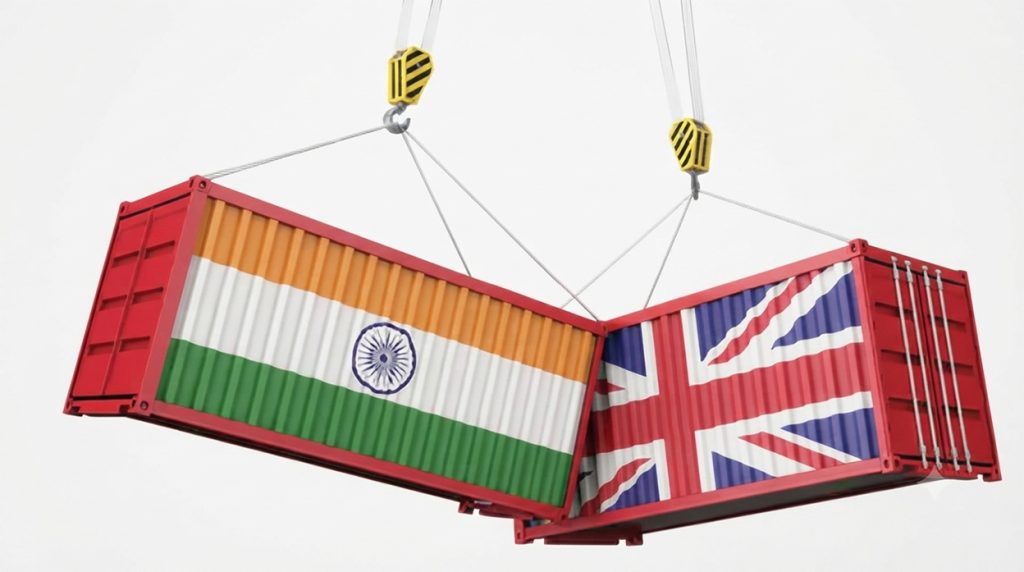
The Free Trade Agreement (FTA) between India and the United Kingdom officially came into effect today, June 17th. This landmark agreement will allow 99% of Indian goods to be exported to the UK market with zero customs duty. Conversely, a majority of British products will be imported into India at an average tariff rate of 3%. The implementation of the FTA is expected to make several luxury items more affordable in India. Specifically, Scotch whisky, gin, and high-end vehicles such as Jaguar Land Rover and Rolls-Royce are anticipated to see reduced prices. This development marks a significant step in deepening economic ties between the two nations, potentially boosting trade volumes and consumer access to a wider range of products.
The India-UK FTA's implementation signifies a strategic alignment aimed at economic integration, with India gaining preferential access for a vast majority of its exports. While the agreement promises increased market access and potential cost reductions for consumers on specific imported goods, it also highlights differing tariff structures, with India maintaining an average tariff on UK goods. This asymmetry warrants examination of the long-term trade balance and competitive landscape for domestic industries in both nations. As the global economy navigates technological shifts and evolving supply chains, such bilateral agreements will be crucial in shaping international trade dynamics and fostering economic resilience over the next decade.
AI-generated to prompt reflection — not editorial opinion, not advice, not a statement of fact. How this works.