India-UK FTA to Slash Luxury Car Duties, Potentially Lowering Prices by ₹3 Crore
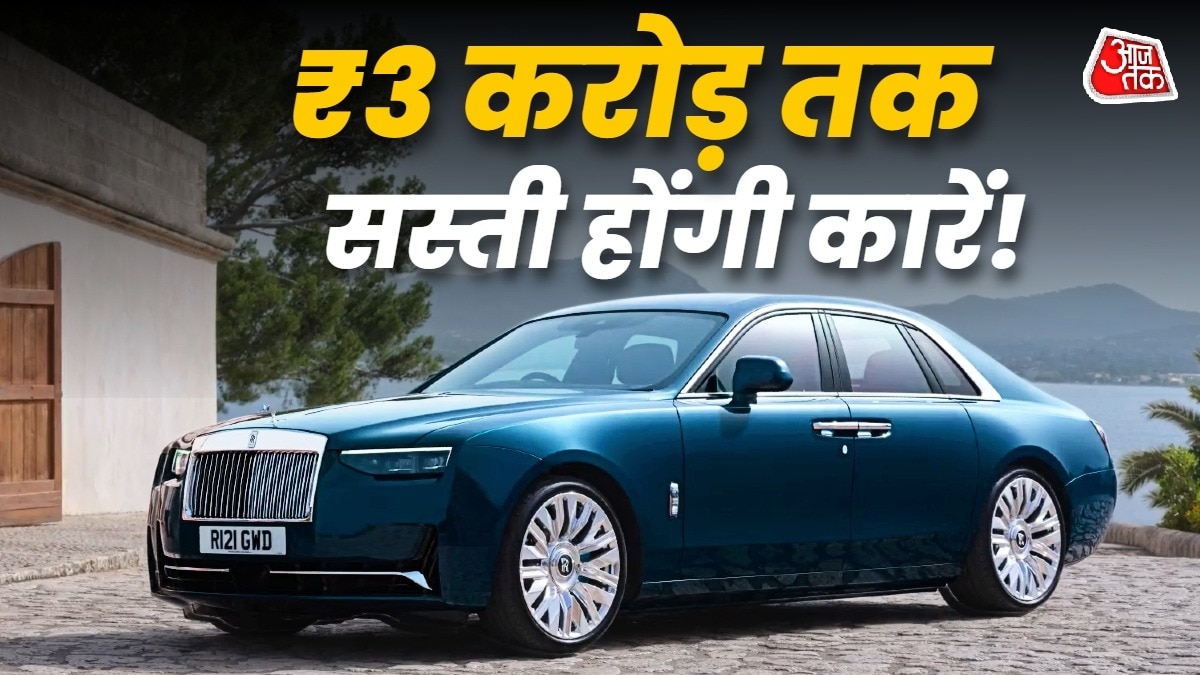
India and the United Kingdom are set to implement a Free Trade Agreement (FTA) that will significantly reduce import duties on luxury cars manufactured in the UK. Following the implementation of this deal, the customs duty on Complete Built Units (CBU) of luxury cars from the UK will drop from the current 110% to 30%. This substantial reduction is expected to make these vehicles more affordable in the Indian market. Industry experts anticipate that this change could lead to a price decrease of up to ₹3 crore for certain luxury car models. The move is poised to reshape the luxury car market in India, potentially increasing competition and offering consumers more choices. This development is a direct outcome of the bilateral trade negotiations between the two nations, aiming to boost economic ties and trade volumes. The reduction in duties is likely to attract more UK-manufactured luxury vehicles into India, impacting sales figures and market share for existing players. The full implications for consumers and manufacturers are still unfolding, but the initial outlook suggests a more dynamic and potentially more accessible luxury automotive sector in India.
The India-UK Free Trade Agreement's reduction in customs duties on UK-manufactured luxury cars from 110% to 30% represents a significant market liberalization. This policy shift is designed to foster bilateral trade, potentially lowering prices for Indian consumers and increasing the competitiveness of British automotive manufacturers in the Indian market. The move could catalyze a re-evaluation of pricing strategies and market positioning by all luxury car brands operating in India, irrespective of their manufacturing origin. Looking ahead, this agreement may serve as a precedent for future trade discussions, influencing the broader landscape of automotive import policies and consumer access to global vehicle options within India. The long-term impact will depend on sustained economic conditions, consumer demand elasticity, and the strategic responses of automotive companies to this altered trade environment.
AI-generated to prompt reflection — not editorial opinion, not advice, not a statement of fact. How this works.