India-UK Trade Deal: Potential Impact on Shoppers and Economies
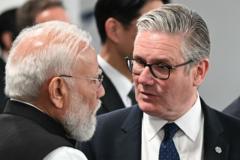
A free trade agreement has been implemented between India and the United Kingdom, representing the world's fifth and sixth largest economies. This deal has the potential to significantly impact consumers in both nations, affecting the availability and cost of various goods. For instance, items ranging from Wimbledon towels, a symbol of British sporting heritage, to Scotch whisky, a key Scottish export, could see changes in their market accessibility and pricing. The agreement aims to reduce trade barriers, potentially leading to increased import and export volumes between the two countries. The success of this trade deal hinges on its ability to deliver tangible benefits to businesses and consumers alike. It is expected to foster closer economic ties and create new opportunities for growth. However, the actual outcomes will depend on the specific provisions within the agreement and how effectively they are implemented and navigated by both Indian and UK businesses. Shoppers might experience a wider variety of products or more competitive pricing on certain goods as a result of this pact.
The implementation of a free trade agreement between India and the UK, two major global economies, presents an opportunity to re-evaluate trade dynamics and consumer impacts. The focus on specific goods like Wimbledon towels and Scotch whisky highlights how such agreements can influence established cultural and economic symbols. This deal could reshape market access, potentially leading to shifts in supply chains and competitive landscapes for both domestic and imported products. The long-term success will likely be measured by its contribution to economic growth, consumer welfare, and the strengthening of bilateral relations, while also considering potential adjustments needed in sectors facing increased competition. The agreement's effectiveness will be a key indicator of future trade policy directions in a globalized, technologically evolving marketplace.
AI-generated to prompt reflection — not editorial opinion, not advice, not a statement of fact. How this works.