India Youth Protest Intensifies as Delhi Imposes Strict Curbs
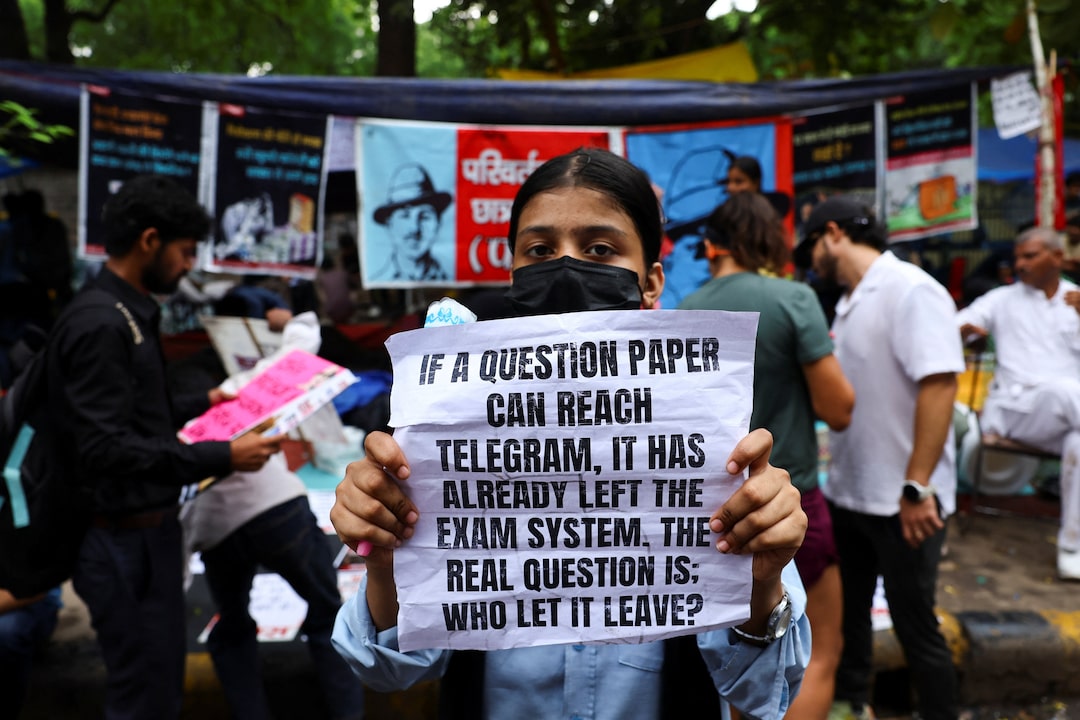
Youth protesters in India are calling for nationwide rallies following the imposition of tough restrictions by the government in Delhi. The government has responded by shutting down metro stations and suspending mobile internet services. Despite these measures, protesters have rejected Prime Minister Modi's proposal to establish special courts to address their grievances. They are determined to proceed with their planned nationwide demonstrations. The government's actions appear aimed at de-escalating the situation and encouraging dialogue, but the protesters remain steadfast in their demands. The ongoing protests highlight a significant divide between the government's proposed solutions and the protesters' expectations. The situation remains tense as both sides navigate the escalating conflict.
The government's imposition of strict curbs, including metro station closures and internet suspensions, represents a classic state response to widespread public dissent, aiming to disrupt communication and organization. The protesters' rejection of the special courts proposal indicates a lack of trust in the proposed judicial mechanisms and a demand for more fundamental policy changes. This standoff highlights a critical governance challenge: balancing public order with the right to protest. Looking ahead, the government faces the dilemma of either conceding to broader demands, potentially setting a precedent for future negotiations, or continuing with restrictive measures, risking further escalation and international scrutiny. The long-term implications will depend on whether systemic issues driving the protests are addressed or merely suppressed.
AI-generated to prompt reflection — not editorial opinion, not advice, not a statement of fact. How this works.