Indian activist forcibly hospitalized after 20-day hunger strike
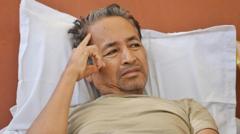
Abhijeet Dipke, founder of the Cockroach Janta Party, has been forcibly taken to the hospital after completing 20 days of a hunger strike. Dipke began his indefinite fast in place of Sonam Wangchuk, another activist. The details surrounding the circumstances of his hospitalization and the specific reasons for his hunger strike were not provided in the original report. The report highlights the dedication of activists like Dipke and Wangchuk to their causes, even when facing significant personal health risks. The duration of Dipke's fast, reaching 20 days before intervention, underscores the severity of his protest. His action follows in the footsteps of Wangchuk, suggesting a coordinated or inspired effort among activists.
The hospitalization of Abhijeet Dipke after a prolonged hunger strike highlights the extreme measures individuals may take to protest and draw attention to their causes. This situation underscores the tension between individual rights to protest and public health concerns, as well as the role of authorities in intervening when health risks become critical. The event prompts consideration of the systemic issues that drive individuals to such lengths and the effectiveness of such protest methods in achieving policy change. Future considerations may involve exploring more sustainable and less physically damaging forms of activism, as well as improved dialogue mechanisms between activists and governing bodies to address grievances before they escalate to life-threatening situations.
AI-generated to prompt reflection — not editorial opinion, not advice, not a statement of fact. How this works.