Indian Activist Hospitalized After Hunger Strike, Sparking Protests
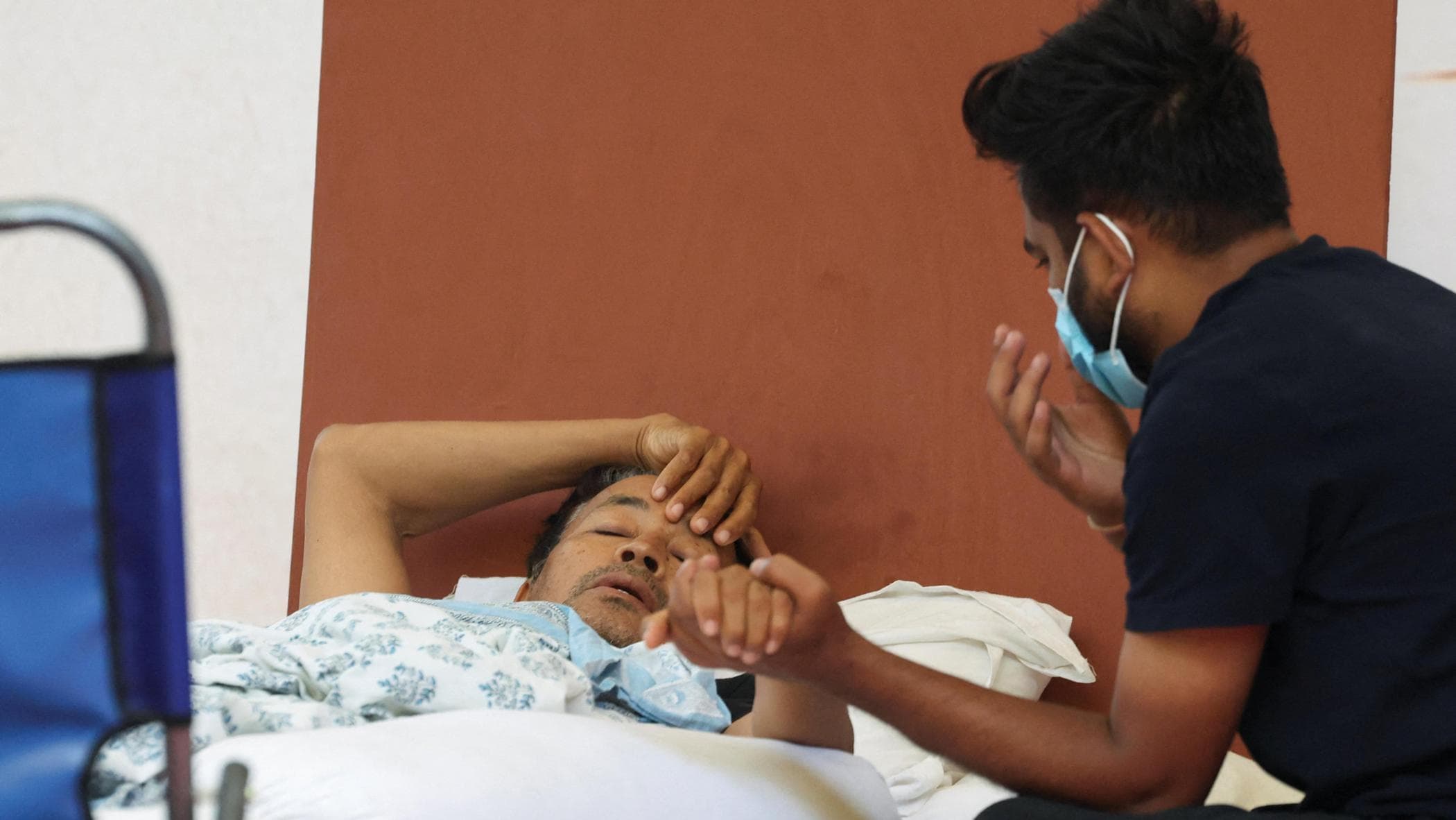
Sonam Wangchuk, a prominent activist and founder of the Cockroach Janta Party (CJP), has been forcibly taken to the hospital by police after completing 20 days of a hunger strike. Wangchuk was protesting for educational reform and against corruption in India. His hospitalization has intensified the ongoing demonstration, which has seen participation from India's Gen Z youth. The activist's actions highlight growing concerns about systemic issues within the country's education sector and broader governance. The CJP, which Wangchuk founded, is a political group advocating for change. The hunger strike is a significant form of protest, drawing attention to the demands of the demonstrators. The involvement of young people suggests a generational push for reform. Wangchuk's health has become a central point of concern for his supporters and the wider public.
The forced hospitalization of Sonam Wangchuk following his hunger strike underscores the tension between civil disobedience and state intervention in India. While Wangchuk's actions aim to pressure authorities for educational reform and anti-corruption measures, the state's response raises questions about the balance between maintaining public order and respecting fundamental rights to protest. This event highlights the growing influence of youth-led movements in demanding accountability from established institutions. Future policy decisions regarding educational reform and anti-corruption efforts will likely be shaped by the public discourse and activism generated by such incidents, indicating a potential shift in governance dynamics as citizen engagement intensifies.
AI-generated to prompt reflection — not editorial opinion, not advice, not a statement of fact. How this works.