Indian activist Sonam Wangchuk hospitalized after 20-day hunger strike over exam irregularities
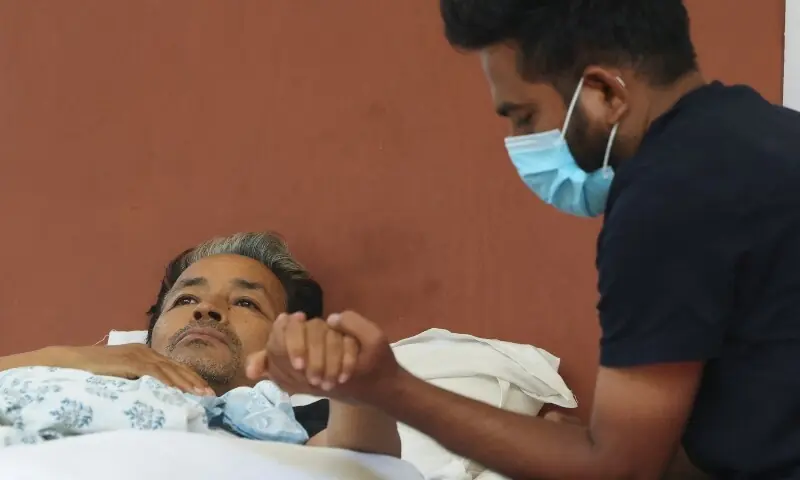
Delhi police forcibly transported activist Sonam Wangchuk to a hospital on Saturday due to his deteriorating health after a 20-day hunger strike. Wangchuk, 59, began his fast on June 28, demanding the resignation of Education Minister Dharmendra Pradhan over alleged examination irregularities. Hundreds of students and supporters from the satirical Cockroach Janta Party (CJP) joined his protest at Jantar Mantar in New Delhi. A deputy commissioner of Delhi police stated that Wangchuk was moved to the hospital on court orders and expert medical advice for essential care, noting that protestors caused a "slight commotion" when asked to vacate the site. A video showed police carrying Wangchuk from the stage amidst confusion. ANI news agency reported Wangchuk was conscious and stable at the hospital. CJP founder Abhijeet Dipke alleged Wangchuk was "forcibly dragged away" by police. A New Delhi court had previously ordered government doctors to monitor Wangchuk's health daily, emphasizing the preciousness of life after a petition warned of potential fatality if he continued his fast. The court mandated any necessary medical intervention to save his life. Wangchuk, an engineer known for Himalayan water conservation, had previously stated his fast would last six weeks unless he died, hoping for a "sensitive government" to address the people's concerns. This protest follows widespread outrage over a medical entrance exam paper leak and a separate high school marking error, which have fueled youth protests. The Modi government had previously accused Wangchuk of inciting people during Ladakh protests last year, leading to his six-month jail term before his release in March.
The forced hospitalization of Sonam Wangchuk highlights the escalating tensions between citizen activism and governmental response concerning educational integrity in India. The activist's prolonged hunger strike, undertaken to protest alleged irregularities in medical entrance examinations and demand ministerial accountability, underscores deep-seated public frustration with the examination system, particularly following recent paper leaks and marking errors. The involvement of the judiciary in ordering medical intervention and police action to clear the protest site indicates a complex interplay of public health concerns, legal mandates, and the state's perceived need to maintain order. Future governance models may need to incorporate more robust mechanisms for addressing public grievances related to systemic failures in critical sectors like education, moving beyond reactive measures to proactive dialogue and reform to mitigate the necessity of such drastic protest actions and ensure public trust in institutional processes.
AI-generated to prompt reflection — not editorial opinion, not advice, not a statement of fact. How this works.