Indian Activist Sonam Wangchuk Nears Organ Failure Amid Three-Week Hunger Strike
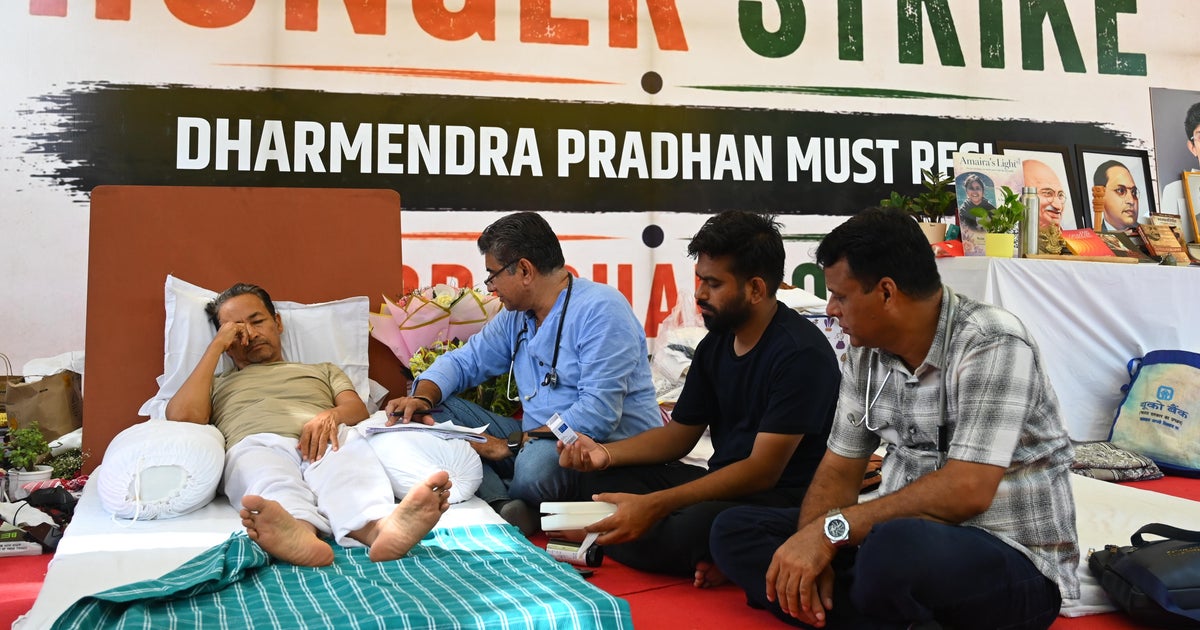
Prominent Indian activist Sonam Wangchuk is reportedly facing critical health risks due to his ongoing hunger strike, which has now lasted for nearly three weeks. Wangchuk has refused to eat as a form of protest, demanding significant reforms to India's examination system. His deteriorating condition has raised serious concerns among his supporters and the public, who are urging him to end the strike to avoid irreversible organ damage. The activist's protest highlights deep-seated issues within the educational framework and the pressure faced by students and educators. The situation underscores the lengths to which individuals will go to advocate for systemic change when other avenues appear exhausted. Wangchuk's health is now a primary concern, with medical professionals and fellow activists calling for a resolution that addresses his demands while prioritizing his well-being. The outcome of this protest could have significant implications for future educational policies and the methods of advocacy in India.
The hunger strike initiated by Sonam Wangchuk, protesting India's examination system, brings to light the potent, albeit risky, leverage of individual civil disobedience. While Wangchuk's actions highlight a deep commitment to systemic reform, the severe health consequences underscore a critical tension between advocacy and personal safety. This situation prompts consideration of alternative, sustainable advocacy models that can effect change without demanding such extreme personal sacrifice. It also raises questions about institutional responsiveness; when does a protest signal a failure of established channels for dialogue and reform? Examining the incentive structures within India's education bureaucracy and the broader political landscape may reveal opportunities for more proactive engagement and policy evolution, potentially mitigating the need for such drastic measures in the future and ensuring that societal progress does not come at the cost of individual health.
AI-generated to prompt reflection — not editorial opinion, not advice, not a statement of fact. How this works.