Indian Authorities Issue Notice to Woman Who Carried Kanwar in Burqa
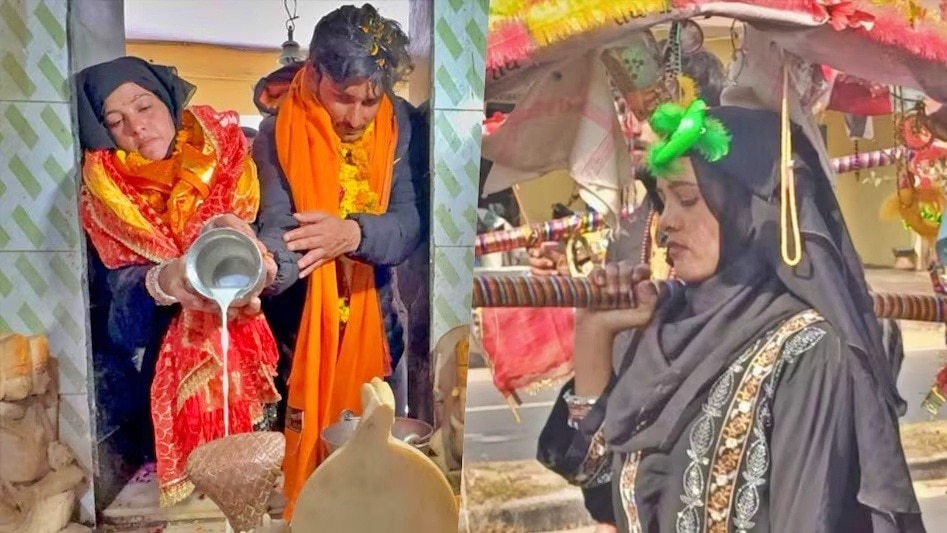
In Sambhal, India, Tamanna Malik, who carried a Kanwar (a ceremonial pot of holy water) while wearing a burqa, and her husband Aman Tyagi have been issued a notice by the Sub-Divisional Magistrate (SDM) court. They have been ordered to furnish a bond of ₹20,000 as surety. This action comes amid plans for Tamanna's second Kanwar journey during the Savan month. The administration has taken this strict measure due to concerns about potential disruption of peace and for security reasons. The authorities aim to prevent any untoward incidents that might arise from the procession.
The administration's action to issue a notice and require a surety bond for Tamanna Malik and Aman Tyagi, citing concerns over peace disruption and security, highlights the delicate balance between religious expression and public order. While the stated intent is to maintain harmony, such measures can be perceived as attempts to control or regulate individual religious practices, particularly when they deviate from traditional norms. This situation underscores the ongoing societal negotiation of cultural and religious boundaries in India, and how authorities respond to expressions that challenge established conventions. Future considerations might involve developing clearer guidelines for public religious processions that accommodate diverse practices while ensuring community safety and preventing potential escalations.
AI-generated to prompt reflection — not editorial opinion, not advice, not a statement of fact. How this works.
