Indian Chief Justice Refuses to Hear Case on Suppressing Protesters
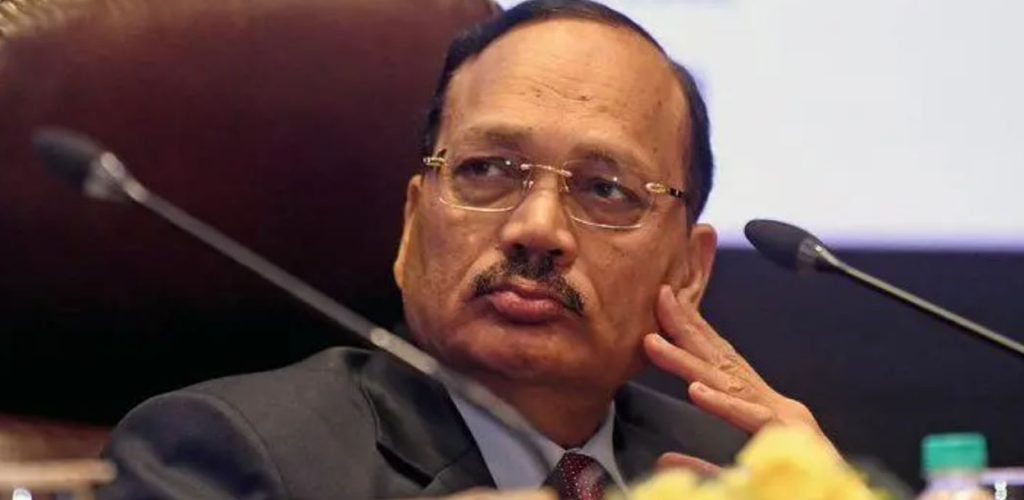
Chief Justice Surya Kant of India has refused to hear a case concerning the suppression of protesters. He stated that the petitioners should not waste the court's time or their own, emphasizing that their time is more valuable. This decision comes amid ongoing concerns about the treatment of protestors in India. The Chief Justice's remarks suggest a lack of judicial willingness to engage with grievances related to public demonstrations. This stance could potentially discourage future legal challenges by citizens seeking redress for alleged state overreach. The refusal highlights a critical juncture in the relationship between the judiciary and public dissent in India. It raises questions about the accessibility of justice for those who participate in protests. The implications of this ruling may extend to the broader landscape of civil liberties and freedom of assembly.
The Indian Chief Justice's refusal to hear a case on protester suppression, citing the value of the petitioners' time, presents a complex governance challenge. While ostensibly prioritizing efficiency, this judicial stance may inadvertently signal a disincentive for citizens to seek legal recourse against alleged state actions. Such a precedent could impact the balance between state authority and individual rights, potentially limiting avenues for accountability. In the context of evolving global dynamics, where public assembly and digital dissent are increasingly prominent, judicial systems face pressure to adapt. Ensuring accessible and responsive justice mechanisms is crucial for maintaining public trust and fostering a stable society. The long-term implications hinge on whether such decisions reinforce or erode the foundational principles of judicial review and citizen protection.
AI-generated to prompt reflection — not editorial opinion, not advice, not a statement of fact. How this works.