Indian court orders intervention if activist's hunger strike health declines
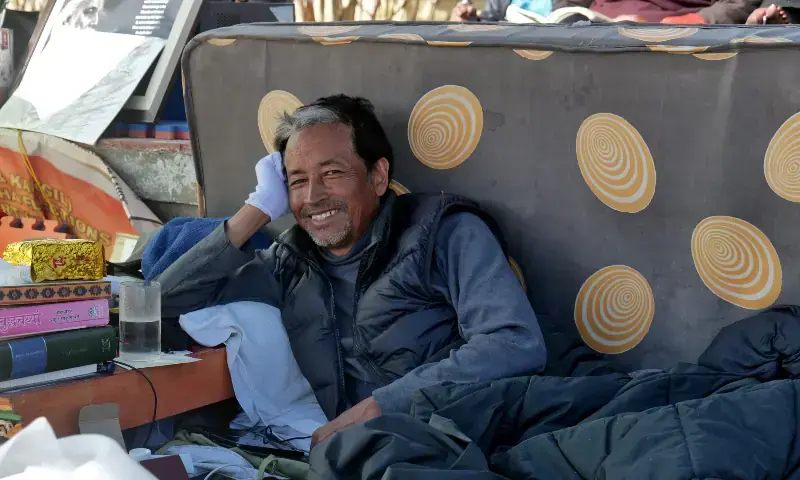
A Delhi High Court bench has directed authorities to monitor the health of activist Sonam Wangchuk, who is 19 days into a hunger strike in central Delhi. The court mandated intervention, including potential hospitalization, if Wangchuk's condition deteriorates. This marks the first judicial involvement in the protest, which is gaining attention as Wangchuk's supporters express growing concern. Wangchuk, 59, is fasting in solidarity with the India's Youth Cockroach Janta Party (CJP), a group protesting alleged exam paper leaks that impacted millions of students. The CJP is demanding the resignation of Education Minister Dharmendra Pradhan. Wangchuk has lost over 9 kilograms but remains mentally alert, according to a doctor. The court's decision came after a petition requested authorities to force-feed Wangchuk. The CJP plans a march to parliament on July 20 to further pressure for Pradhan's resignation and reforms in examination processes. The CJP, which rapidly gained 22 million Instagram followers since May, advocates for the unemployed and frustrated youth, reflecting widespread discontent among young Indians. While the overall national unemployment rate was 3.1% in 2025, it reached nearly 10% for individuals aged 15-29, and 13.6% in urban settings.
The Delhi High Court's intervention highlights the escalating public pressure stemming from youth unemployment and perceived governance failures in educational systems. The rapid growth of the CJP, fueled by social media, underscores the significant disconnect between the aspirations of young Indians and available opportunities, exacerbated by issues like exam paper leaks. This situation reflects a broader challenge for governments in managing public discontent, particularly among a large, digitally-connected youth demographic. Future policy responses will need to address not only immediate concerns like exam integrity but also systemic issues of job creation and equitable access to education to mitigate such protests and maintain social stability.
AI-generated to prompt reflection — not editorial opinion, not advice, not a statement of fact. How this works.