Indian Court Upholds 1-Year Jail Sentence for Bribery After 49 Years
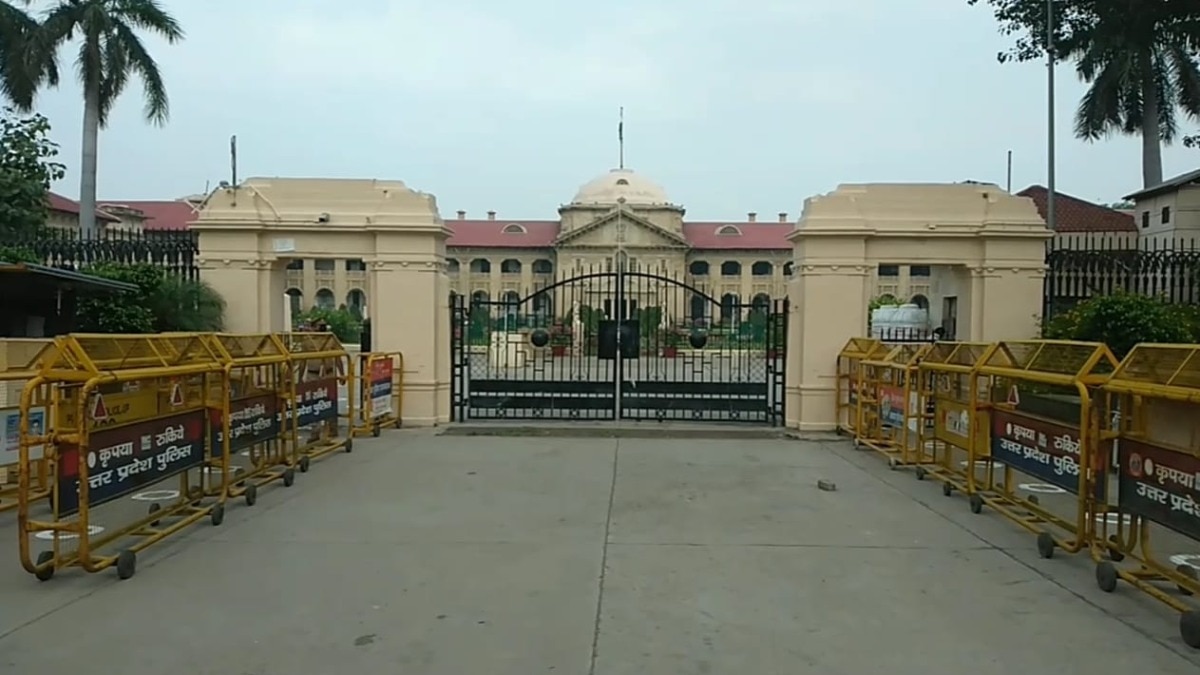
The Allahabad High Court has delivered a historic verdict in a corruption case, dismissing a criminal appeal that had been pending for 41 years. The court has fully upheld a one-year jail sentence for a Chakbandi Lekhpal (revenue record keeper) who was caught red-handed accepting a bribe of just 300 rupees approximately 49 years ago. This decision reinforces the legal consequences for corruption, even decades after the offense occurred. The original incident dates back nearly half a century, highlighting the lengthy judicial process involved in such cases. The court's affirmation of the sentence underscores its commitment to addressing corruption. This ruling serves as a significant precedent, emphasizing that accountability for corrupt practices remains a priority regardless of the time elapsed. The integrity of the judicial system and the fight against corruption are central themes in this landmark judgment. The specific amount of the bribe, 300 rupees, is noted as a detail from the historical context of the case.
This ruling demonstrates the enduring legal framework designed to penalize corruption, irrespective of the time elapsed since the offense. The protracted 41-year appeal period highlights potential systemic inefficiencies within the judicial process, which may allow cases to remain unresolved for extended durations. While upholding the sentence reinforces accountability, the significant delay raises questions about the optimal balance between due process and timely justice. The case underscores the long-term consequences of even seemingly small acts of bribery, suggesting that robust enforcement mechanisms are critical for maintaining public trust and deterring future misconduct. The resolution, though delayed, provides a clear signal regarding the legal system's commitment to addressing corruption.
AI-generated to prompt reflection — not editorial opinion, not advice, not a statement of fact. How this works.