Indian Government Pledges Education Reform Following Protests
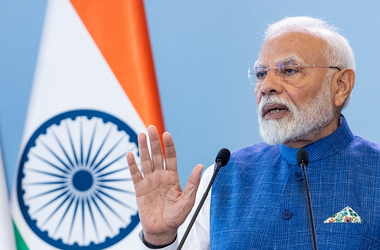
Following weeks of sustained protests and the subsequent resignation of the Education Minister, the Indian Prime Minister has announced the formation of a working group. This group is tasked with addressing the demands that fueled the widespread demonstrations. The protests, reportedly involving a group referred to as the "Ants" (Csótányok), led to significant public pressure on the government. The commitment to educational reform signals a potential shift in policy aimed at resolving the underlying issues that triggered the unrest. The Prime Minister's initiative to establish a dedicated working group is seen as a direct response to the public outcry and the minister's departure. Further details on the composition and mandate of this working group are expected to be released soon. The government's promise of reform comes after a period of intense activism and negotiation.
The government's response to public demonstrations by forming a working group on education reform suggests a strategic approach to de-escalate tensions and address systemic issues. This move allows for a structured dialogue, potentially incorporating diverse stakeholder perspectives into policy development. The formation of such a group, especially after a ministerial resignation, indicates a recognition of the severity of the public's concerns. Looking ahead, the effectiveness of this initiative will depend on the working group's mandate, its inclusivity, and the government's commitment to implementing its recommendations. The long-term impact will be shaped by whether the reforms can foster equitable access and quality education, aligning with the evolving demands of a technologically advancing society.
AI-generated to prompt reflection — not editorial opinion, not advice, not a statement of fact. How this works.