Indian influencer goes viral comparing Manaus residents to people from India
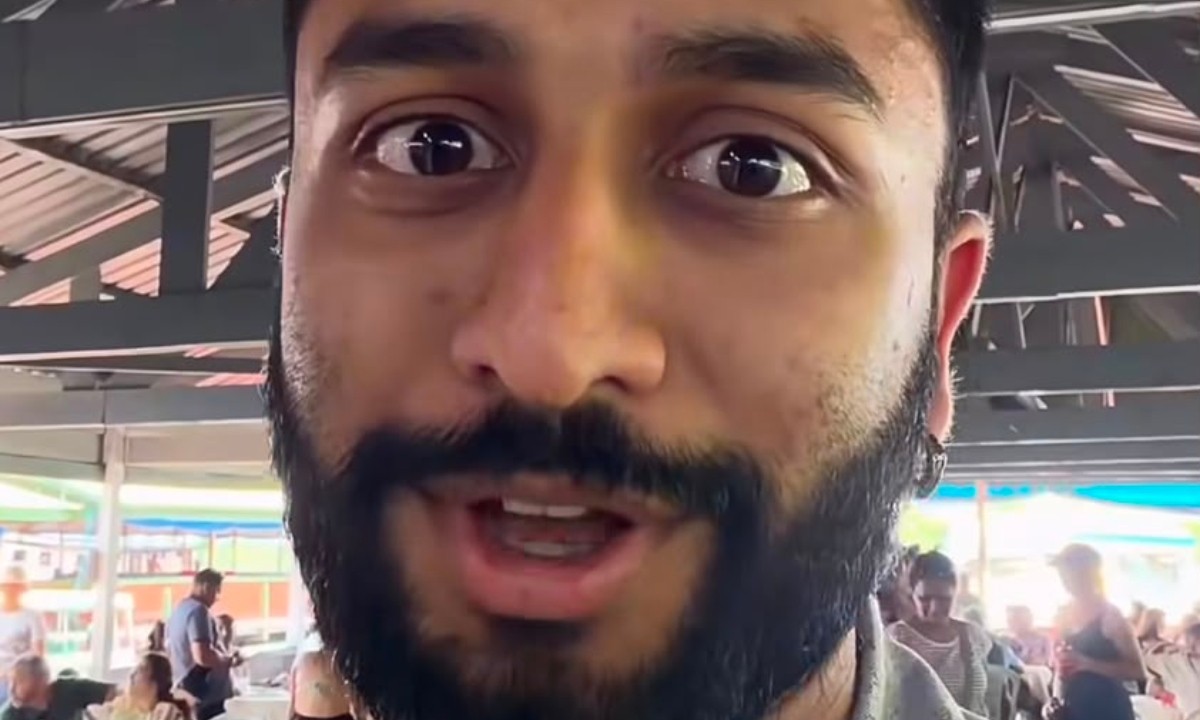
Indian influencer Abhishek Rungta has gained widespread attention on social media for a video comparing residents of Manaus, Brazil, to people from India. During his first visit to the Amazonian capital, Rungta expressed surprise at the physical similarities he observed in some individuals, stating it made him feel at home. The video, posted on Wednesday, the 29th, quickly garnered over 23,000 likes, nearly 2,000 comments, and more than 300 shares within a single day. Rungta, who resides in Brazil, is documenting his experiences in the country on social media. In the viral clip, he points out several Manaus residents, remarking on how much they resemble Indians. He is quoted as saying, "People here look so Indian, I feel like I am home. I'm sure they are not Indian, but they look a lot like it." He further elaborated, "Look here, this guy, he looks more Indian than me, she also looks very Indian. This is northern Brazil, I didn't know there are so many people who look like Indians. They are indigenous, but I am shocked they look so similar to Indians." The post sparked significant discussion, with many Manaus netizens humorously engaging with the influencer's observations and discussing the Amazon's rich ethnic and cultural diversity. The Northern region of Brazil is characterized by a population shaped by various peoples and historical influences, notably a strong indigenous presence and a wide array of physical and cultural traits.
The viral video highlights the complex interplay of ethnic perceptions and cultural familiarity, particularly in diverse regions like the Amazon. While the influencer's observations stem from a personal sense of recognition, they inadvertently touch upon the historical and genetic connections that can manifest in physical similarities across geographically distant populations. Such interactions can serve as a catalyst for broader conversations about identity, heritage, and the fluid nature of ethnic classifications, especially in areas with significant indigenous populations and a history of migration and intermingling. This event underscores the power of social media to bridge cultural divides and spark curiosity about human diversity, prompting viewers to reflect on their own perceptions of resemblance and belonging in an increasingly interconnected world.
AI-generated to prompt reflection — not editorial opinion, not advice, not a statement of fact. How this works.