Indian Opposition Targets Home Minister Amit Shah Over Protest Crackdown
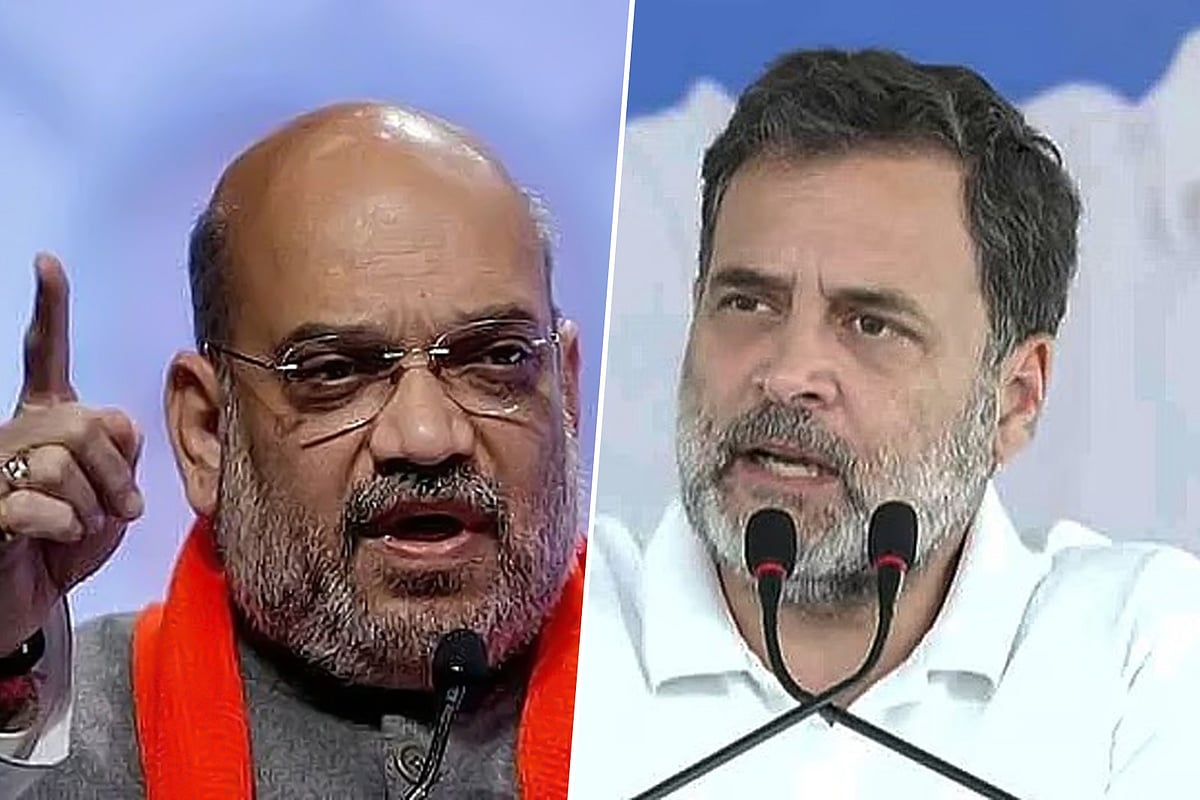
Following the resignation of Union Education Minister Dharmendra Pradhan, opposition parties in India are now demanding an explanation from Home Minister Amit Shah regarding the excessive force used by police against protesters. The protests, which led to Pradhan's resignation, were sparked by a leak in the NEET medical entrance exam. Opposition leaders, including Rajya Sabha leader Mallikarjun Kharge, met on Monday and decided to press Home Minister Shah for answers in Parliament. During a protest march towards Parliament on July 20, demonstrators clashed with police after being stopped, leading to a violent confrontation. Questions have been raised about the security forces' methods, particularly the alleged use of pellet guns. Congress leader Rahul Gandhi has written to Amit Shah, demanding accountability for what he termed a 'barbaric attack' on student protesters. Gandhi's letter suggests the opposition aims to put direct pressure on Shah over the issue. Several students were injured during the police action on July 20, including 19-year-old Sahil Lochab, who sustained pellet injuries to his right side and risks losing an eye. A sports journalist was also injured and allegedly beaten. In his letter, Gandhi stated that security forces used indiscriminate force, including lethal weapons and tear gas, against students demanding a fair education system. He specifically questioned whether Shah authorized the use of pellet guns and the deployment of plainclothes personnel. Gandhi emphasized that peaceful protest is vital in a democracy and that the government is responsible for ensuring protester safety and addressing their concerns through dialogue. Opposition parties, including Congress and TMC, have submitted notices for adjournment motions in Parliament to discuss the use of 'lethal weapons' against students.
The opposition's strategic focus on Home Minister Amit Shah, following the resignation of the Education Minister, signals a broader political maneuver. By linking the alleged police brutality during protests to the Home Minister's portfolio, opposition parties aim to elevate the issue beyond a single ministry's failure, framing it as a governance and human rights concern. This approach seeks to leverage public sentiment regarding student welfare and democratic freedoms, potentially impacting the ruling party's image. The demand for accountability through parliamentary debate, particularly concerning the use of force, highlights the ongoing tension between state security measures and civil liberties in India. The coming days will reveal whether this strategy can translate into sustained political pressure or if it remains a temporary parliamentary tactic.
AI-generated to prompt reflection — not editorial opinion, not advice, not a statement of fact. How this works.