Indian Police Detain Rahul Gandhi and Other Opposition Leaders Near PM's Residence
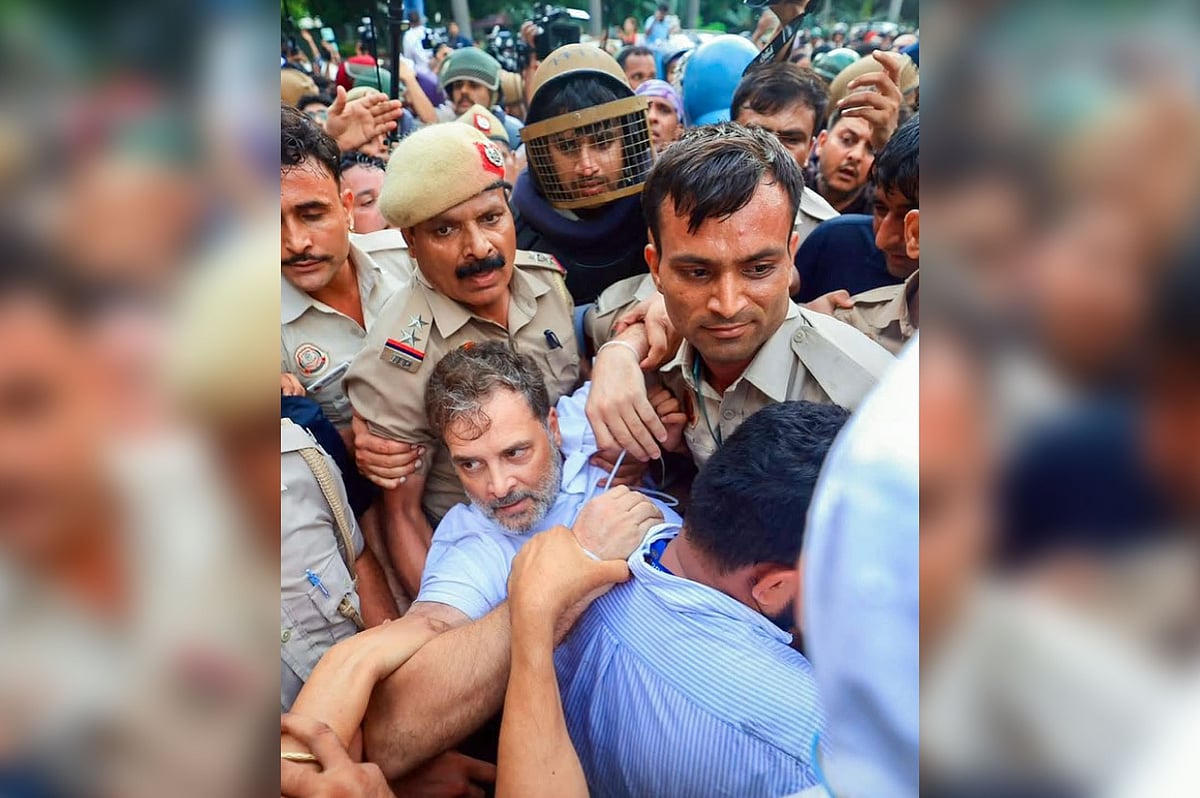
Indian opposition leaders, including Rahul Gandhi and Priyanka Gandhi Vadra of the Congress party, along with Samajwadi Party chief Akhilesh Yadav, were detained by Delhi Police on Tuesday. The detentions occurred during a protest held outside Prime Minister Narendra Modi's residence. The demonstration was organized to protest alleged police brutality against supporters of the Congress party and to demand the Prime Minister's resignation. Police forcibly removed Rahul Gandhi from the protest site, but Congress leaders stated they were unaware of his whereabouts.
Earlier, Rahul Gandhi had posted on social media, stating their intention to seek accountability for alleged police actions against students and criticizing the government for avoiding parliamentary debate. He called for the resignation of the Prime Minister and Home Minister for allegedly ruining the future of the country's youth. The Congress party maintained that their protest was peaceful, despite allegations from BJP leaders that the demonstration jeopardized the Prime Minister's security.
In a separate development, the Delhi High Court granted activist Sonam Wangchuk permission to be transferred to his preferred hospital, Medanta Hospital in Delhi, overturning a previous single-judge bench decision. This decision came after his wife appealed against the earlier denial of his transfer request from Safdarjung Hospital.
The detention of prominent opposition figures during a protest near the Prime Minister's residence highlights the ongoing tensions between India's ruling party and its political opposition. While the Congress party frames the action as a suppression of dissent and a response to police overreach, ruling party elements suggest security concerns. The event underscores systemic challenges in balancing freedom of assembly with public order and security protocols in a democratic framework. Future governance will likely grapple with refining these boundaries, potentially through clearer legal guidelines on protest locations and police conduct, to mitigate political polarization and ensure robust public discourse without compromising safety or democratic rights.
AI-generated to prompt reflection — not editorial opinion, not advice, not a statement of fact. How this works.