Indian Prisons Overcrowded, Over 50% Exceed Capacity in 2024
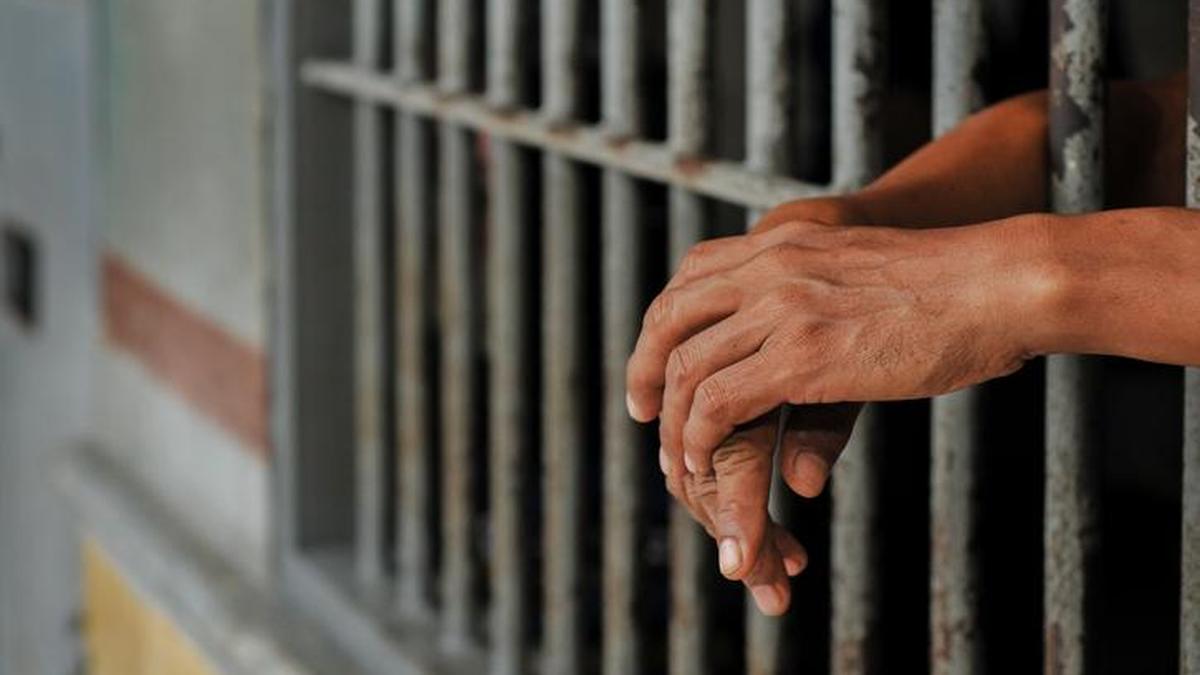
India's prisons continue to face severe overcrowding, with more than half of the states and union territories reporting occupancy rates exceeding 100% as of 2024. This situation persists despite a modest increase in prison capacity across the country. The data highlights a significant challenge in managing the prison population, with a large proportion of inmates being undertrials. The high occupancy rates suggest that the justice system may be struggling to process cases efficiently, leading to prolonged pre-trial detention. This overcrowding can strain resources, impact the living conditions for inmates, and potentially affect the overall functioning of correctional facilities. Addressing this issue requires a multi-faceted approach, potentially involving judicial reforms, faster trial processes, and alternative sentencing mechanisms.
The persistent overcrowding in Indian prisons, particularly concerning undertrials, indicates systemic pressures within the judicial and correctional systems. High occupancy rates exceeding 100% in over half of Indian states and union territories by 2024, even with capacity increases, suggest that the rate of inmate intake outpaces the system's ability to process cases or manage releases. This scenario raises questions about the efficiency of legal proceedings, the adequacy of bail provisions, and the potential for pre-trial detention to become a de facto punishment. Future policy considerations should focus on streamlining judicial processes, exploring alternatives to incarceration for non-violent offenses, and ensuring that prison infrastructure development aligns with evolving demographic and legal trends to prevent such conditions from becoming entrenched.
AI-generated to prompt reflection — not editorial opinion, not advice, not a statement of fact. How this works.