Indian protesters used memes to process police crackdown and fear
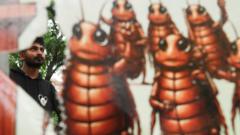
Indian police have been accused of cracking down on protesters, with the term 'cockroach' reportedly used to describe them. In response to this treatment, the protesters turned to social media platforms to document their experiences. They created short videos, known as reels, and memes as a means of coping with the fear and violence they encountered. This digital documentation served as a way for them to process the events and ensure that the narrative was not solely defined by the actions of the authorities. By creating and sharing these memes and reels, the protesters aimed to reclaim their voice and refuse to let the experience of repression have the final say. This approach highlights a modern method of dissent and collective processing in the face of state action.
The use of digital media, such as memes and reels, by protesters in India to document and process their experiences following a police crackdown offers a contemporary lens on dissent. This strategy allows individuals to collectively reframe potentially traumatic events, transforming fear and violence into a shared narrative of resilience. It bypasses traditional media gatekeepers, enabling immediate, user-generated counter-narratives. From a systems perspective, this phenomenon underscores the growing influence of decentralized communication networks in shaping public discourse and challenging state-controlled information flows. Over the next decade, expect to see similar digital coping and documentation mechanisms become more sophisticated and prevalent in activist movements globally, reflecting a broader societal shift towards digitally mediated emotional processing and political expression.
AI-generated to prompt reflection — not editorial opinion, not advice, not a statement of fact. How this works.