Indian Proverb: Trees and Lakes Offer Fruit and Water for Others, Wise Live for Others
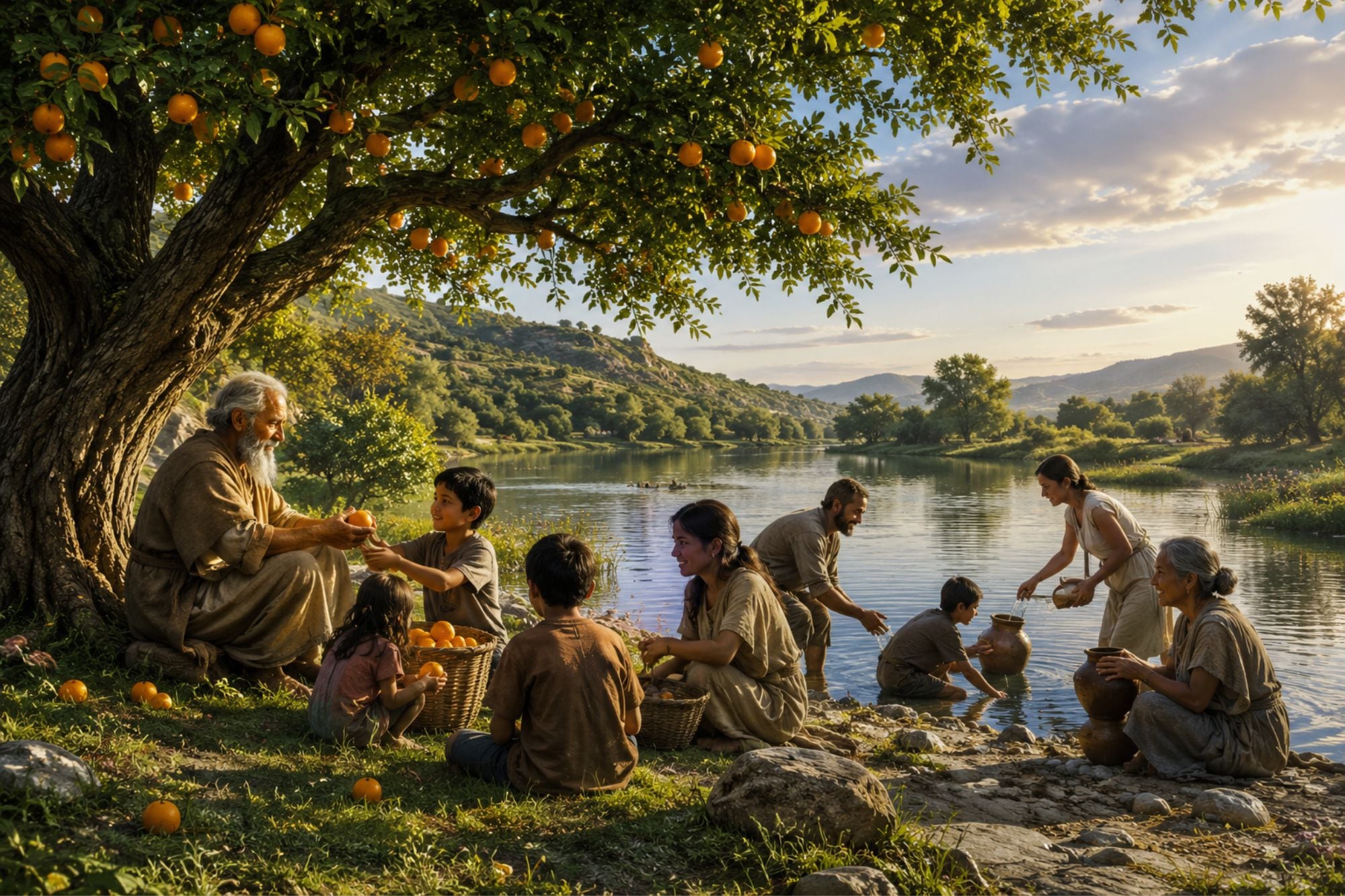
An ancient Eastern teaching, the Indian proverb 'The tree does not eat its fruit, nor does the lake drink its water; the wise live for the benefit of others,' offers a reflection on the value of selfless generosity in daily life. This wisdom challenges modern individualism by drawing metaphors from the natural world. The proverb suggests that just as trees provide fruit for others to consume and lakes store water for the benefit of all living things, individuals with wisdom should strive to live for the well-being of the community. It posits that true fulfillment comes not from hoarding resources or focusing solely on personal gain, but from contributing to the greater good. The teaching encourages a shift in perspective from self-centeredness to altruism, highlighting the interconnectedness of life. By observing nature's inherent generosity, the proverb aims to inspire a more compassionate and selfless approach to human existence. It serves as a timeless reminder of the ethical imperative to support and uplift one another.
This proverb promotes an ethical framework centered on altruism, contrasting it with modern individualism. By referencing natural phenomena, it grounds the concept of selfless contribution in observable, cyclical processes, suggesting an inherent order where resources are meant to be shared. The teaching implicitly critiques systems that prioritize accumulation and self-interest over collective welfare. In the context of an increasingly interconnected global society and the rise of AI, fostering such a collaborative ethos becomes crucial for sustainable development and equitable resource distribution. The proverb encourages a re-evaluation of success metrics, moving beyond personal wealth to societal contribution as a measure of a life well-lived, prompting consideration of how societal structures can better incentivize and support generous actions.
AI-generated to prompt reflection — not editorial opinion, not advice, not a statement of fact. How this works.