Indian Railways: Why Higher Charges on Ticket Cancellations?
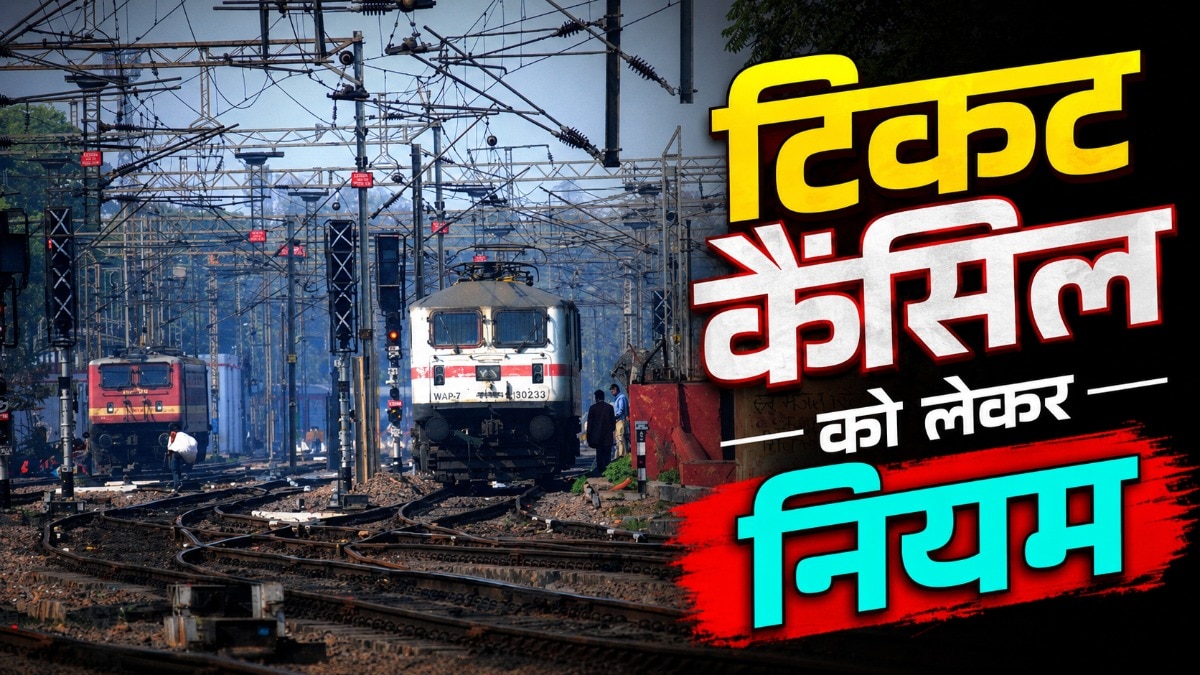
Passengers often cancel their train tickets, but they do not receive a full refund for these cancellations. This has led to a persistent question among the public: how much money does the Indian Railways earn annually from ticket cancellations? This query was raised in the Parliament, and Union Railway Minister Ashwini Vaishnaw provided a response. The minister's statement addressed the rationale behind the charges imposed when a railway ticket is canceled. While the exact amount earned by the railways was not specified in this initial report, the question was posed to the government regarding the revenue generated from these cancellation fees. The response from the Railway Minister is expected to shed light on the policy and financial implications of ticket cancellations for both passengers and the national railway service. Further details regarding the revenue figures and the specific rules governing cancellation charges are anticipated.
The Indian Railways' policy on ticket cancellation charges raises questions about balancing revenue generation with passenger convenience. While cancellation fees can contribute to operational revenue and potentially mitigate losses from last-minute cancellations, they also represent a financial burden on travelers. Understanding the specific financial impact and the justification for the current fee structure is crucial. This policy's effectiveness can be viewed through the lens of its impact on travel accessibility and the railway's overall service efficiency. Future considerations might involve exploring tiered cancellation fees based on booking time or class, or implementing more flexible refund policies to enhance passenger satisfaction while managing operational demands.
AI-generated to prompt reflection — not editorial opinion, not advice, not a statement of fact. How this works.