Indian Sailors Safe After Attack on LPG Tanker in Hormuz Strait
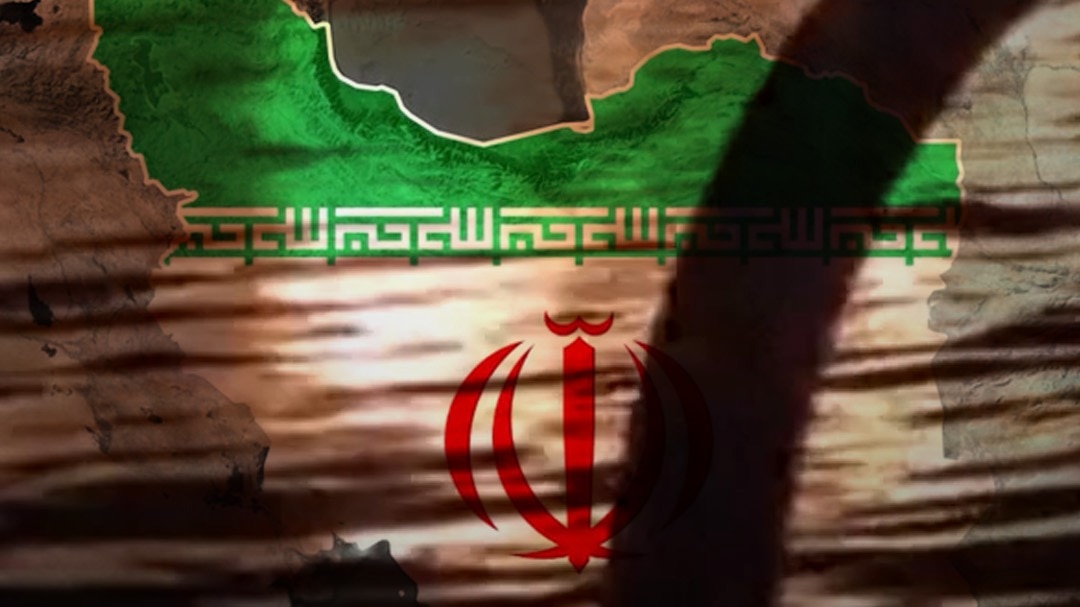
Twenty-eight Indian sailors aboard an LPG tanker are safe following an attack on the vessel within Iran's territorial waters. The Indian Embassy has confirmed it is closely monitoring the situation and maintaining contact with relevant authorities. This incident has reignited concerns regarding the security of the Strait of Hormuz and the stability of global energy supplies. The specific details of the attack, including the perpetrators and the extent of damage to the tanker, have not yet been fully disclosed. However, the proximity to the crucial shipping lane has heightened international attention. The Strait of Hormuz is a vital chokepoint for global oil and gas transportation, making any disruption there a significant concern for the world economy. The safety of the Indian crew is paramount, and diplomatic channels are reportedly active to ensure de-escalation and prevent further incidents. The incident underscores the ongoing geopolitical tensions in the region and their potential impact on maritime security and energy markets.
The attack on the LPG tanker in the Strait of Hormuz, while resulting in the safe evacuation of Indian nationals, highlights the persistent fragility of critical global energy transit routes. Such incidents, regardless of attribution, introduce significant volatility into energy markets and increase insurance and security costs for shipping operations. The strategic importance of the Hormuz Strait means that even localized disruptions can have disproportionate global economic consequences. This event serves as a recurring reminder of the need for robust international maritime security frameworks and de-escalation mechanisms to mitigate the systemic risks associated with geopolitical flashpoints. Future considerations should focus on enhancing technological surveillance and fostering diplomatic solutions to prevent such escalations, thereby safeguarding both human lives and the stability of global commerce.
AI-generated to prompt reflection — not editorial opinion, not advice, not a statement of fact. How this works.