Indian Supreme Court Judge Raises Concerns Over Dissent and Bail Access
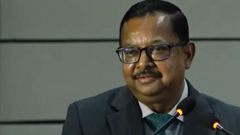
Supreme Court Justice Ujjal Bhuiyan has expressed significant concern regarding the shrinking space for dissent in India and has questioned the judiciary's approach to granting bail. He stated that individuals are being sent to jail for expressing opposition, and in many cases, they are not even granted bail. This situation highlights a worrying trend in the country's legal and social landscape. Justice Bhuiyan's remarks suggest a potential imbalance between maintaining order and upholding fundamental rights, particularly the freedom of expression and the right to liberty. The judge's comments underscore the importance of ensuring that legal processes do not unduly stifle legitimate protest or criticism. His observations also point to a need for greater judicial sensitivity in bail matters, ensuring that pre-trial detention is not used punitively. The implications of these concerns could affect civil liberties and the overall health of India's democratic institutions. The judiciary's role in safeguarding these rights is paramount, and Justice Bhuiyan's intervention calls for a review of current practices.
Justice Bhuiyan's observations highlight a potential tension between state security imperatives and the protection of civil liberties, particularly freedom of expression and assembly. The judiciary's role is to balance these competing interests, ensuring that legal recourse is not weaponized to suppress legitimate dissent. The efficiency and fairness of bail processes are critical indicators of a healthy justice system, impacting individual liberty and public trust. Examining the systemic factors that may lead to restrictive bail decisions and the perceived narrowing of dissent is crucial for maintaining democratic resilience. Future legal frameworks may need to address the balance between public order and individual rights more explicitly, especially in an era of evolving protest dynamics.
AI-generated to prompt reflection — not editorial opinion, not advice, not a statement of fact. How this works.