Indian Uber Driver Rewarded for Heroism During Bondi Attack
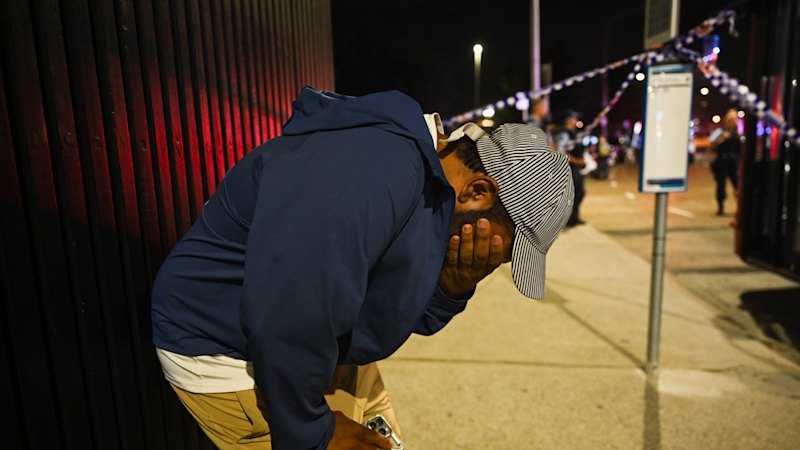
An Indian Uber driver, Rahemath Pashar, is being recognized for his bravery during the Bondi Junction stabbing incident. Pashar recounts the harrowing experience of witnessing the event, describing the scene as the "green grass turn red." His courageous actions during the attack are credited with helping to save lives. In recognition of his heroism, the federal government has intervened to ensure he can remain in Sydney. This intervention allows Pashar to call Australia home, acknowledging his significant contribution during a critical moment. The incident has brought his bravery to the forefront, leading to this positive governmental decision.
The federal government's intervention to grant residency to Rahemath Pashar highlights the intersection of individual heroism and immigration policy. While Pashar's actions undoubtedly merit commendation, this case also raises broader questions about how societies recognize and reward contributions from non-citizens, particularly in moments of crisis. Such decisions can influence public perception of immigration and national identity, while also setting precedents for future responses to similar events. Evaluating the systemic incentives for both citizens and non-citizens to act heroically, and ensuring equitable recognition, will be crucial as diverse societies navigate evolving demographic and security landscapes.
AI-generated to prompt reflection — not editorial opinion, not advice, not a statement of fact. How this works.