Indian youth demand release of protesters after minister's resignation over exam scandal
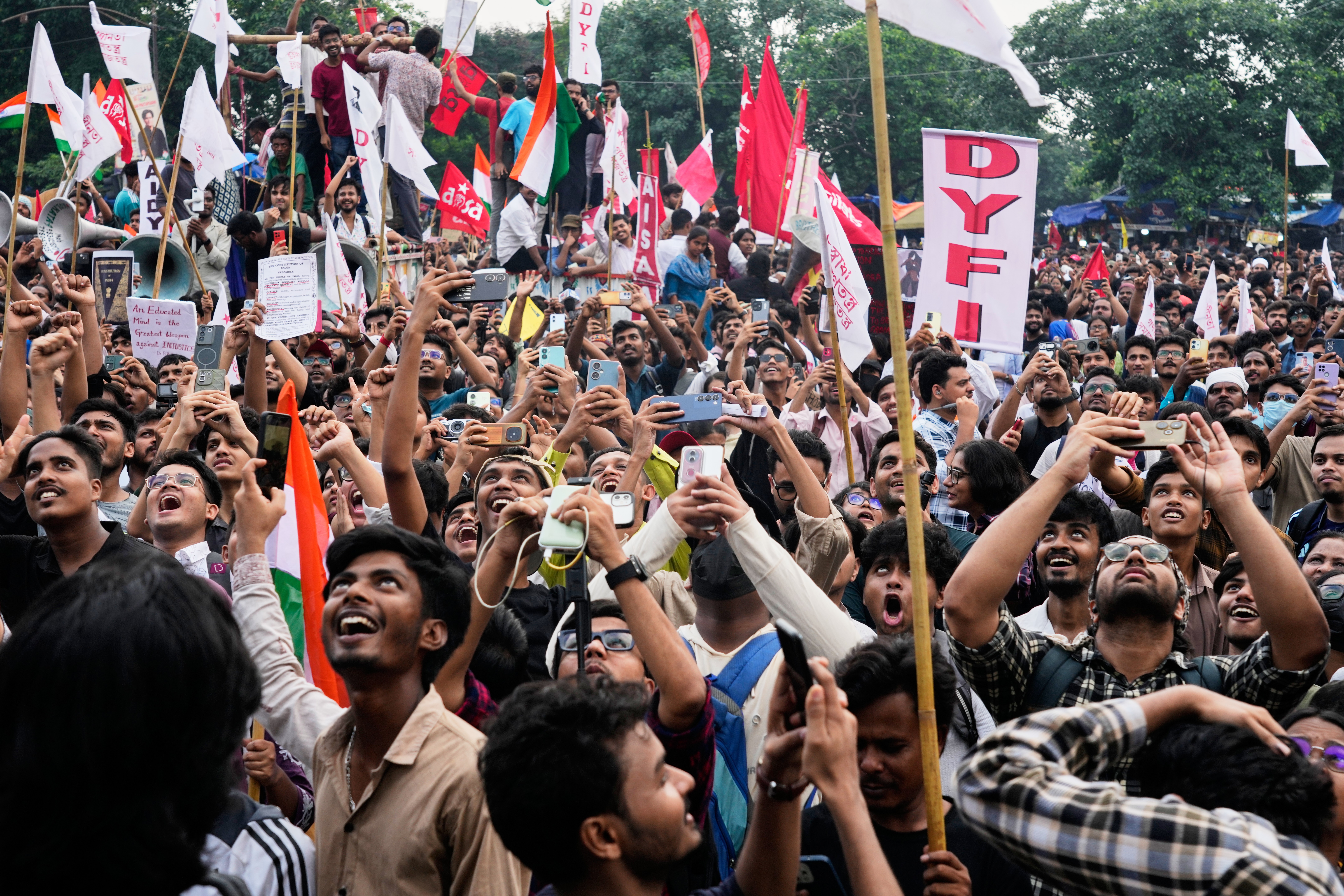
Following weeks of nationwide student protests that led to the resignation of the Education Minister, the Indian Youth Congress (IYC), also known as the 'Cockroach Janta Party' (CJP), is now demanding the immediate release of all arrested demonstrators. A spokesperson for the CJP, Saurav Das, stated on social media platform X that all charges against the detained individuals must be dropped by the following day. The protests erupted in May due to widespread irregularities in the national medical entrance exam, which had over two million candidates. Indian media reports indicate that the cancellation of this exam may have contributed to the suicides of nearly 20 students. The CJP, along with student activists from various political parties, has been advocating for educational reforms and has also voiced concerns about unemployment. They are also critical of what they perceive as an authoritarian shift under Prime Minister Narendra Modi's leadership since 2014. The primary demand for the Education Minister's resignation was met on Saturday, prompting the suspension of protests. However, the CJP reports that at least 70 arrests were made in the capital and other regions, including the party's founder, Abhijeet Dipke. In response to the crisis, Prime Minister Modi announced on Sunday a significant reform of the examination system to enhance its reliability and transparency. Additionally, the Union Cabinet has approved a bill to impose stricter penalties for exam fraud.
The recent student protests in India highlight systemic vulnerabilities within the national examination process, exacerbated by concerns over unemployment and governance. The government's response, including the formation of a task force and proposed reforms, aims to restore public trust in educational integrity. However, the underlying issues of exam security and the socio-economic pressures faced by students, potentially contributing to tragic outcomes, require sustained attention beyond immediate crisis management. Future policy must address the incentive structures that may encourage fraudulent practices and ensure robust oversight mechanisms. The government's challenge is to balance the need for stringent examination standards with equitable access and support for a large youth population navigating a competitive job market, especially in the context of an evolving digital landscape and the increasing influence of AI on both education and employment.
AI-generated to prompt reflection — not editorial opinion, not advice, not a statement of fact. How this works.