Indie Game 'Bub' Explores Artist's Life, Chronic Illness, and Memory
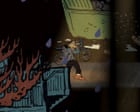
The autobiographical game 'Bub' offers players a unique experience centered on the life of an artist in New York City, grappling with the challenges of chronic illness and its impact on creativity. Developed by artist and stop-motion animator Case Jernigan and coder/gameplay designer Todd Anderson, the game visually distinguishes itself through its handcrafted aesthetic. Jernigan meticulously creates art assets by drawing, painting, and cutting paper, while Anderson implements these elements into a playable game through scripting and physics simulations. Players navigate the artist's present-day life in New York, interspersed with explorations of his early memories and imaginative dreams. According to Anderson, the game transitions between contemporary New York City and various childhood scenes or dreamlike visions, all rendered in stop-motion animation. The narrative unfolds by weaving together the artist's current experiences with his process of understanding and making sense of his past.
'Bub' represents a growing trend in independent game development, where personal narratives and unconventional themes, such as chronic illness, are explored. This approach challenges the traditional entertainment-focused model of gaming by prioritizing artistic expression and emotional resonance. The game's unique stop-motion animation and mixed-media approach highlight the potential for diverse creative techniques within the digital medium. By focusing on the intersection of art, memory, and health, 'Bub' invites introspection on how personal circumstances shape creative output and life trajectories. This artistic exploration could resonate with audiences seeking more meaningful and reflective interactive experiences, potentially influencing future game design towards greater personal storytelling and thematic depth.
AI-generated to prompt reflection — not editorial opinion, not advice, not a statement of fact. How this works.