Indigenous and Quilombola Voters Surge in Tocantins Ahead of 2026 Elections
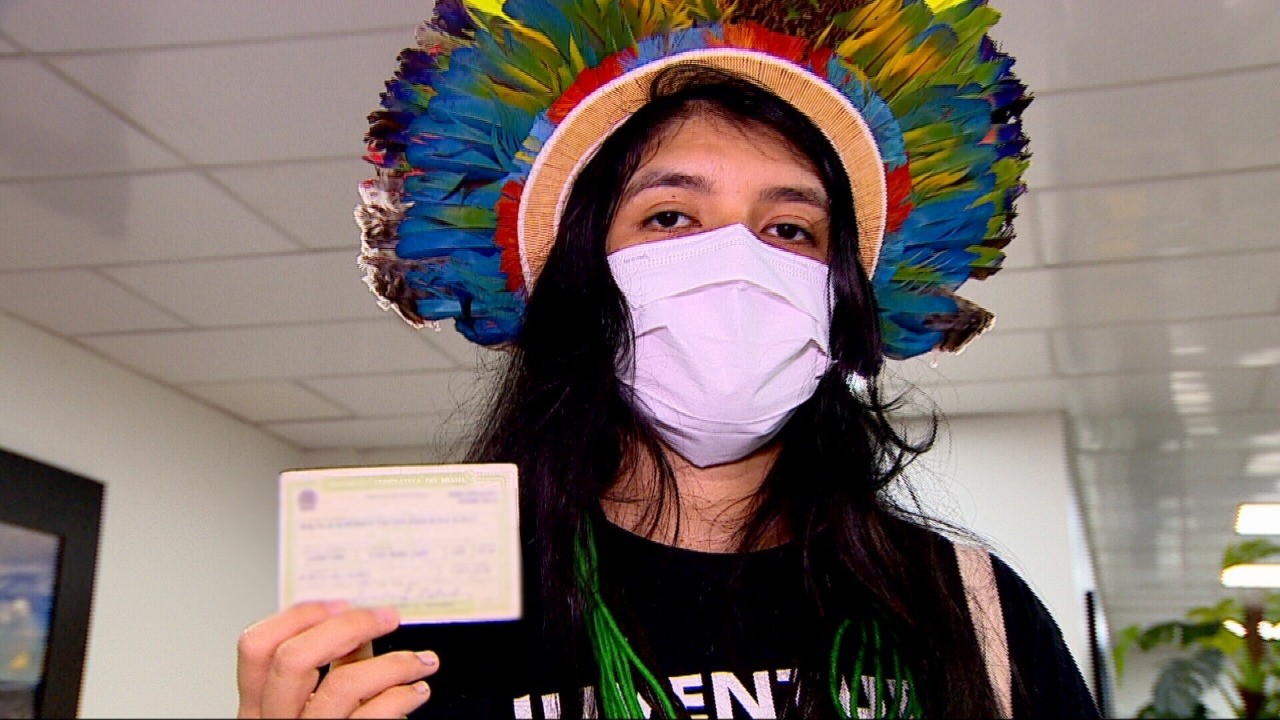
The state of Tocantins in Brazil has seen a significant increase in its indigenous and quilombola electorates in preparation for the 2026 General Elections. Official data from the Electoral Justice reveals a 27% rise in registered indigenous voters, bringing their total to 5,739, up from 4,526. Indigenous individuals now constitute 0.49% of Tocantins' 1.18 million eligible voters. The largest indigenous groups within this electorate are the Krahô (1,511 voters), Xerente (1,234), Apinajé (1,147), Karajá (715), and Javaé (665). The growth among quilombola voters was even more dramatic, with an 88% increase. Their numbers grew from 2,562 to 4,827, now representing 0.41% of the state's electorate. This surge follows the Electoral Justice's initiation of ethnic and racial self-declaration data collection in November 2022, after the previous election cycle. While these figures represent progress, a substantial portion of the electorate, 65%, has yet to declare their race or ethnicity. In 2026, only 30% of voters had made such a declaration, a figure that still surpasses the 18% recorded in 2024.
The notable increase in self-declared indigenous and quilombola voters in Tocantins highlights the growing engagement of traditionally underrepresented groups in the electoral process. This trend suggests a potential shift in political representation and policy focus, driven by increased civic participation and the Electoral Justice's efforts to capture more granular demographic data. The voluntary nature of self-declaration, however, means that the full extent of these communities' electoral power may still be underestimated. Future electoral outcomes could be influenced by the continued mobilization of these demographics and their ability to translate increased participation into political influence, potentially reshaping regional political landscapes over the next decade.
AI-generated to prompt reflection — not editorial opinion, not advice, not a statement of fact. How this works.