Indigenous group seeks to regulate mining on their lands, sparking debate
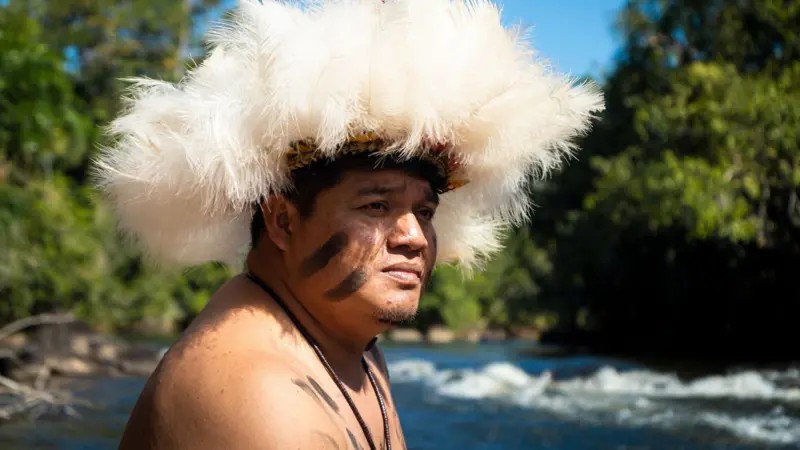
The Cinta Larga indigenous people in Brazil are divided over the regulation of gold and diamond mining on their ancestral lands, a contentious issue that has reached the Supreme Federal Court (STF). Gilmar Cinta Larga, president of the Coordination of Indigenous Organizations of the Cinta Larga People (Patjamaaj), highlights the community's desire for economic self-sufficiency, stating, "We are on such a rich land, knocking on institutions' doors in a miserable way." Their territory, spanning 2.7 million hectares across Mato Grosso and Roraima, is situated on one of the world's largest kimberlite deposits, the rock that forms diamonds. According to reports, approximately $20 million worth of diamonds are illegally extracted from the region monthly. While the official discovery of diamonds occurred in 1999, illegal mining by non-indigenous individuals began the following year, leading to increased conflict and violence. Gold mining has been present in the area since the mid-1970s. Patjamaaj initiated legal action at the STF, resulting in a February directive from Minister Flávio Dino for Congress to regulate mining on indigenous lands within two years, with provisional conditions including community authorization and direct financial participation. This stance contrasts with other indigenous organizations, such as the Articulation of Indigenous Peoples of Brazil (Apib), which advocates for broader consultation and expresses concerns about potential negative impacts. The Constitution permits mining on indigenous lands but requires authorization from the National Congress, which has yet to establish clear regulations despite various legislative proposals. A Senate working group, chaired by Senator Tereza Cristina, was also formed to address mining regulation. Patjamaaj argues that legislative inaction fuels violent conflicts and illegal exploitation, and that the presence of regulated mining companies could help deter illicit activities and provide security. The association also points to economic disparities, noting that surrounding farms benefit from agricultural credit while the Cinta Larga lack regular income sources, perpetuating poverty. They believe state-supervised mining could fund essential projects in health, education, and sustainability, reducing reliance on welfare. Gilmar Cinta Larga envisions the Cinta Larga establishing their own mining company, potentially seeking funding from the National Bank for Economic and Social Development (BNDES).
The debate surrounding mining regulation on indigenous lands in Brazil reflects a complex interplay of economic aspirations, historical grievances, and environmental concerns. The Cinta Larga's pursuit of regulated mining, driven by a desire to control resource exploitation and secure economic benefits, highlights a potential shift in indigenous strategy towards direct engagement with resource extraction. However, this approach faces significant opposition from broader indigenous organizations like Apib, which emphasizes the need for unified consent and expresses apprehension regarding the potential for increased environmental degradation and social disruption, drawing on past negative experiences with resource extraction. The STF's directive to Congress underscores the legislative vacuum and the urgent need for a comprehensive framework that balances indigenous rights, environmental protection, and economic development. Future policy decisions will likely hinge on navigating these competing interests, ensuring that any regulatory framework is developed through inclusive consultation processes and incorporates robust safeguards against exploitation and environmental harm, particularly in the context of increasing global demand for critical minerals.
AI-generated to prompt reflection — not editorial opinion, not advice, not a statement of fact. How this works.