Indigenous Korubo group sighted near Atalaia do Norte, Amazonas; non-contact policy stressed
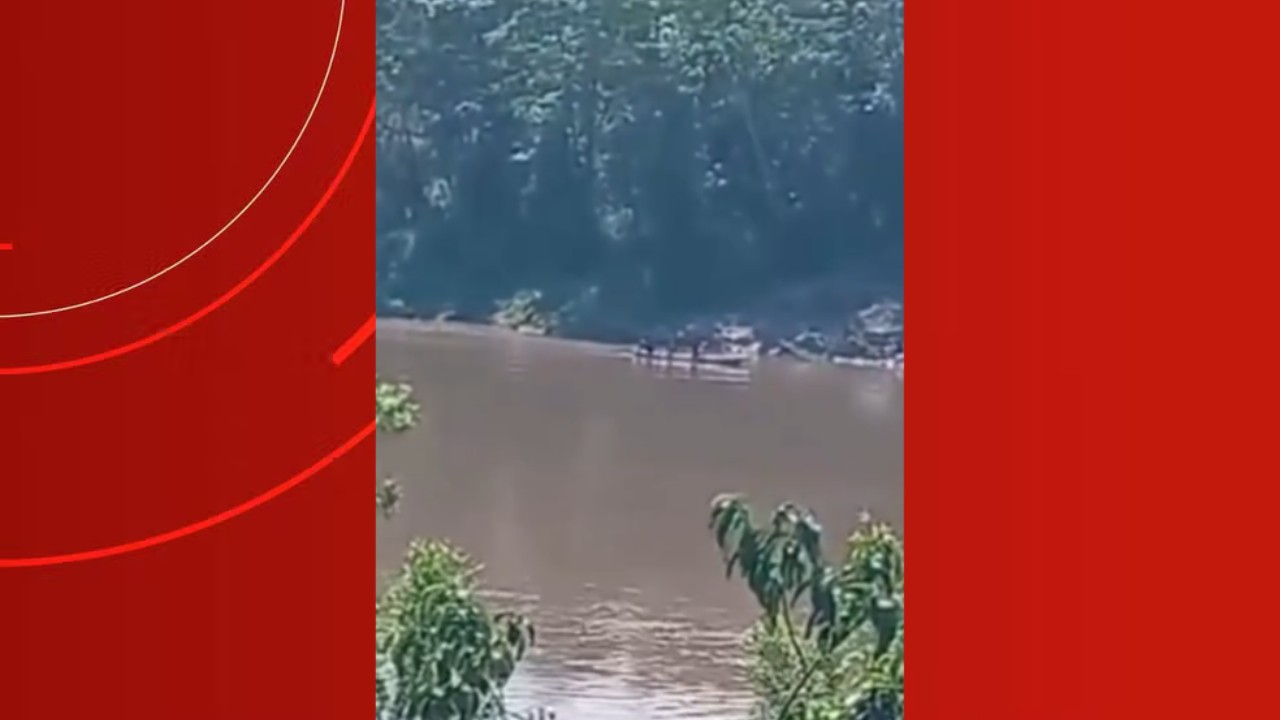
A group of Korubo indigenous people, who have had recent contact with the outside world, were observed navigating a river near the town of Atalaia do Norte in the Brazilian state of Amazonas. The sighting, occurring close to riverside communities, caused concern among local residents. However, specialists emphasize the critical importance of avoiding any attempts at proximity to protect the indigenous individuals and uphold Brazil's policy of non-contact with isolated and recently contacted peoples. A video captured by a resident shows the group traveling in boats while people shout in the background, with the resident appealing to authorities for assistance. She expressed fear due to reports of the Korubo being aggressive, noting their recent presence at the local port. As of the latest updates, no physical contact between the indigenous group and residents, nor any serious incidents, have been reported, and the reason for the group's approach to the community remains unknown. The Observatory of Human Rights of Isolated and Recently Contacted Peoples (Opi) clarified that these Korubo are not entirely isolated, having established relations with society since the 1990s and increasingly traveling between the Javari Valley Indigenous Land and Atalaia do Norte. Opi stressed the need for surrounding communities to understand and respect the significant cultural differences of these peoples, rather than interpreting them as threats. The Funai's Javari Valley Ethno-Environmental Protection Front is reportedly mediating relations and dialogue between the Korubo and non-indigenous residents. Experts, including Henrique dos Santos Pereira, director of the National Institute of Amazonian Research (Inpa), reiterated that the principle of non-contact is internationally recognized to shield these populations from diseases to which they lack immunity, conflicts, and lifestyle interference. They advise against offering food, taking close-up photos, or widely disseminating the group's exact location, urging immediate notification of Funai in case of sightings.
The sighting of the Korubo indigenous group near Atalaia do Norte highlights the ongoing challenges in managing interactions between recently contacted indigenous populations and non-indigenous communities in the Amazon. Brazil's policy of non-contact, while internationally recognized and crucial for protecting vulnerable groups from disease and cultural disruption, requires robust enforcement and community education. The incident underscores the need for effective communication channels between indigenous protection agencies like Funai and local populations to prevent fear-driven reactions and potential escalations. Future strategies should focus on proactive engagement and cultural sensitivity training for riverside communities, alongside continued monitoring and support for the Korubo's self-determination and territorial integrity within the Javari Valley Indigenous Land. The dynamic nature of these groups' movements, sometimes facilitated by municipal powers, suggests a need for coordinated inter-agency policies to balance development pressures with indigenous rights.
AI-generated to prompt reflection — not editorial opinion, not advice, not a statement of fact. How this works.