Indigenous Leader Convicted for Illegal Arms and Child Corruption in Bahia
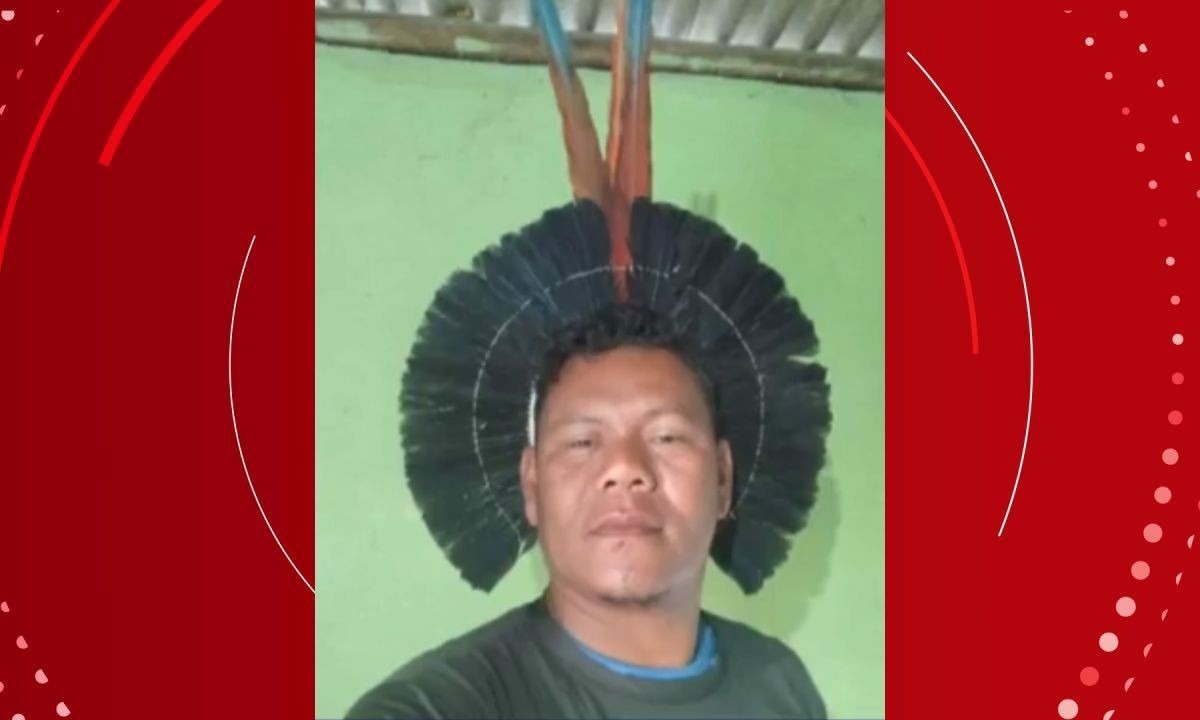
Welington Ribeiro de Oliveira, known as Cacique Suruí, an indigenous leader from Bahia, Brazil, has been sentenced to 7 years and 6 months in a semi-open prison regime by the Federal Justice of Eunápolis. The conviction stems from charges of illegal possession of restricted firearms with removed serial numbers and corruption of minors. Oliveira was arrested on July 2, 2025, during an operation in Porto Seguro, as part of a federal initiative to enhance security amid escalating territorial conflicts between indigenous communities and rural producers. During his apprehension, police found him transporting weapons and ammunition without authorization in a pickup truck, accompanied by two adolescents. Evidence presented indicated that these minors were involved in activities related to the handling and training with firearms, including participating in shooting exercises guided by Oliveira, as evidenced by phone records and videos. The court considered the severity of the offenses, the presence of restricted ammunition, and the involvement of minors in its sentencing. The defense's argument that the weapons were received from community members for surrender to authorities was rejected, as the possession was indefinite and lacked legal authorization. Oliveira was initially arrested in July 2025 and subsequently released on September 12, 2025, after two months of detention. The Pataxó indigenous community in the region has faced significant conflicts over land, including direct confrontations with farmers and incursions by criminal factions, leading to increased security presence by the National Public Security Force since April 2025.
This case highlights the complex interplay of land disputes, indigenous rights, and law enforcement in Brazil's Bahia region. The conviction of Cacique Suruí for illegal arms possession and child corruption underscores the challenges in balancing community security needs with legal frameworks, particularly when minors are involved in activities related to firearms. The sentencing reflects a judicial assessment of the severity of possessing restricted weapons and the exploitation of minors. Future considerations may involve exploring alternative dispute resolution mechanisms for territorial conflicts and strengthening programs that protect both indigenous leaders and children from involvement in potentially criminal activities, while ensuring adherence to due process and human rights for all parties involved.
AI-generated to prompt reflection — not editorial opinion, not advice, not a statement of fact. How this works.