Indigenous Leader Raoni Metuktire Faces New Digestive Bleeding and Kidney Issues
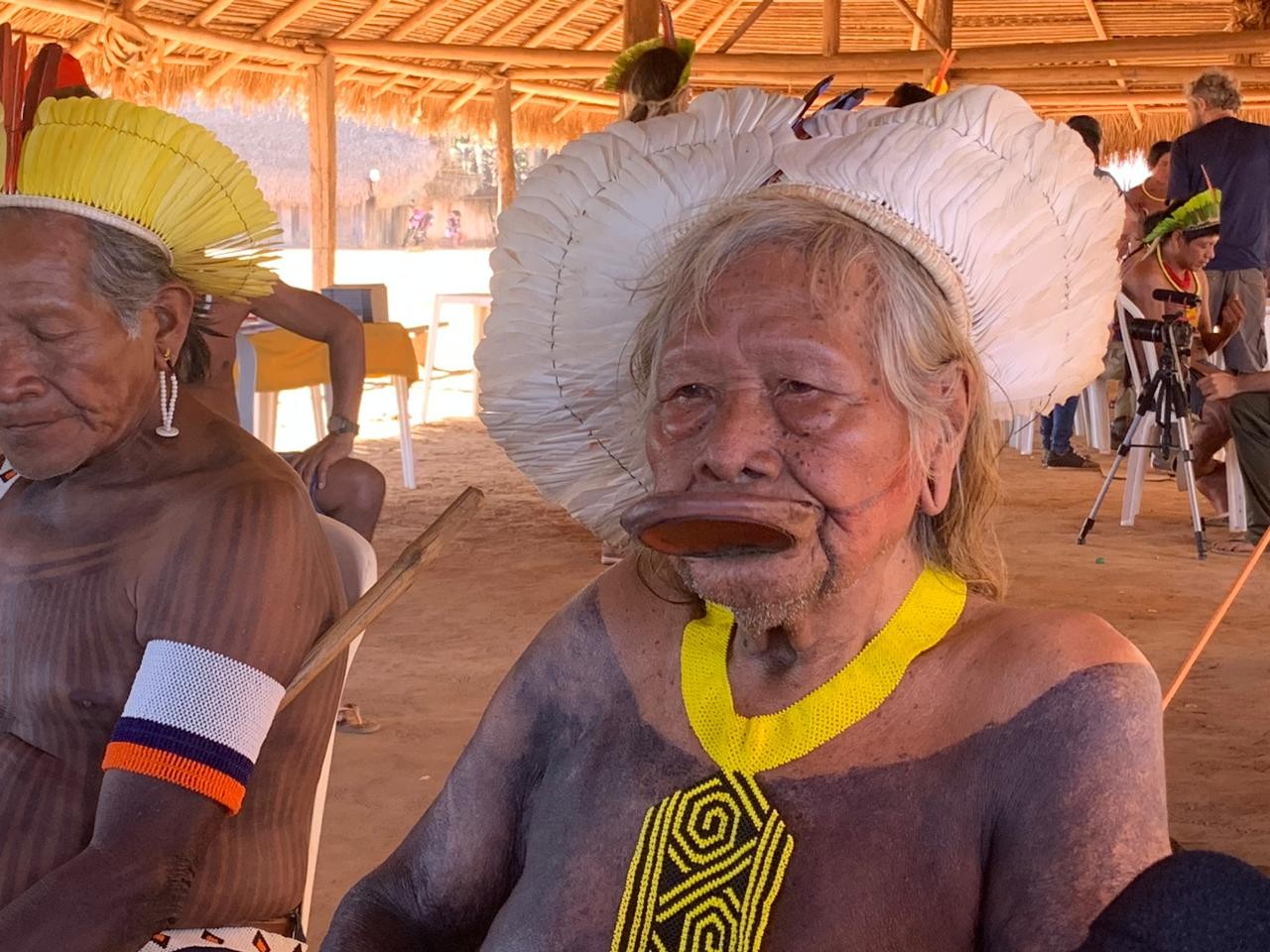
Chieftain Raoni Metuktire, a 93-year-old indigenous leader, experienced a new episode of digestive bleeding on Friday, July 10th, which has since been controlled by the medical team. According to a Saturday, July 11th bulletin from Hospital São Paulo (HSP/Unifesp), the chieftain remains stable, conscious, and breathing without respiratory assistance. However, his condition shows a slight worsening in renal function and he has a cough with secretions. Raoni is responsive to commands and is able to eat orally, with ongoing treatment for his kidney issues. He was moved from the Intensive Care Unit (ICU) to a regular ward on Monday, July 6th, following clinical improvement. His initial hospitalization on June 19th was due to high intestinal obstruction and aspiration pneumonia, leading to surgery for intestinal decompression on June 20th. A right lung pneumothorax identified on June 30th was successfully drained. The hospital also reported a previous high digestive hemorrhage on June 29th, which was managed with an endoscopy that identified and controlled active bleeding in the stomach and duodenum.
This current hospitalization follows a series of health challenges. In May, Raoni was hospitalized in Mato Grosso for severe abdominal pain related to an old hernia, later requiring ICU admission for pneumonia. He has multiple pre-existing conditions, including Chronic Obstructive Pulmonary Disease (COPD), heart disease requiring a pacemaker, and heart failure. Previous hospitalizations include a five-day stay in September 2022 for cardiac issues and pacemaker surgery, and earlier incidents in July and September 2020 involving gastrointestinal complications, dehydration, and pneumonia. He also experienced a depressive episode in 2020 following the death of his wife.
The ongoing health issues of Chieftain Raoni Metuktire highlight the complex interplay between age, pre-existing chronic conditions, and acute medical events. His repeated hospitalizations, including recent digestive bleeding and respiratory concerns, underscore the vulnerability of elderly individuals with multiple comorbidities. The medical interventions, while addressing immediate crises, point to the challenges in managing chronic diseases in remote or resource-constrained settings, and the potential impact of environmental or lifestyle factors on health outcomes. Future public health strategies may need to focus on proactive management of chronic conditions and accessible preventative care for indigenous leaders and communities to mitigate the risk of severe acute episodes and ensure sustained well-being.
AI-generated to prompt reflection — not editorial opinion, not advice, not a statement of fact. How this works.