Indigenous Leader Raoni Metuktire Moves from ICU to Hospital Room After Health Improvement
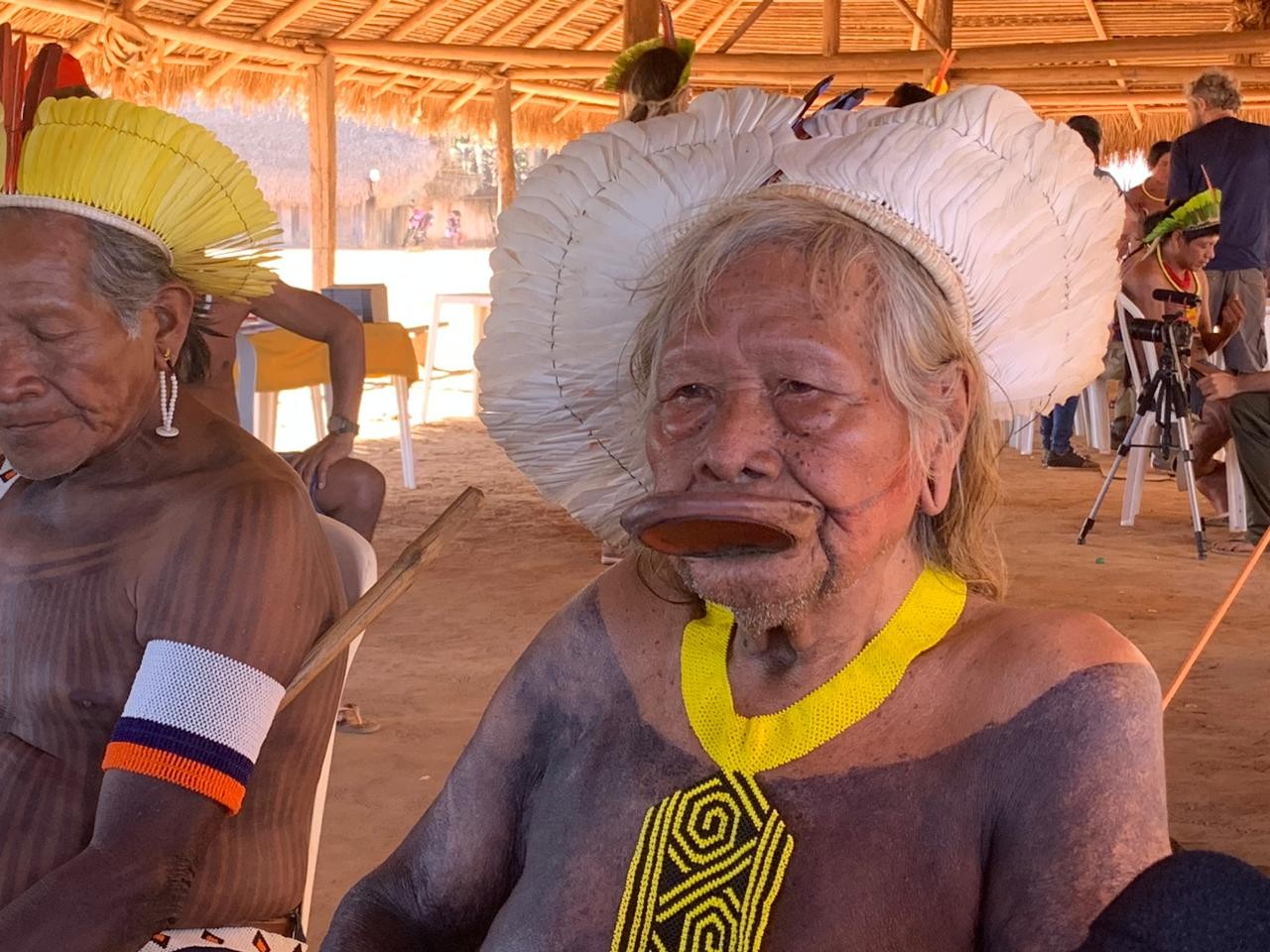
Chief Raoni Metuktire, a prominent 93-year-old indigenous leader, has shown clinical improvement and was transferred from the intensive care unit (ICU) to a regular hospital room at Hospital São Paulo in São Paulo, Brazil, on Monday, June 6th. According to the latest medical bulletin, he is stable, conscious, and responding to commands. Raoni was initially admitted on June 19th due to a high intestinal obstruction and aspiration pneumonia, undergoing surgery for intestinal decompression the following day. He later developed a pneumothorax in his right lung on June 30th, which was successfully drained. The hospital also reported a high digestive hemorrhage on June 29th, which was managed with an endoscopic procedure that controlled active bleeding in his stomach and duodenum.
This hospitalization follows a history of health issues. In May of this year, Raoni was hospitalized in Mato Grosso for abdominal pain related to an old hernia, later experiencing complications and returning to the ICU for pneumonia. He has multiple comorbidities, including Chronic Obstructive Pulmonary Disease (COPD), heart disease with an implanted pacemaker, and heart failure. Previously, in September 2022, he underwent pacemaker surgery and was hospitalized in Sinop for a cardiac issue. In July 2020, he was hospitalized with gastrointestinal complications and dehydration, and later that year, he was admitted for pneumonia and experienced a depressive episode following his wife's death.
The health status of Chief Raoni Metuktire, a globally recognized indigenous leader, highlights the complex interplay of age, chronic conditions, and acute medical events. His repeated hospitalizations underscore the significant healthcare challenges faced by elders with multiple comorbidities, particularly within remote or resource-constrained environments. Future public health strategies may benefit from focusing on proactive, preventative care models tailored to indigenous populations, addressing both chronic disease management and preparedness for emergent conditions. This situation also emphasizes the importance of accessible, high-quality medical infrastructure for all citizens, regardless of geographic location or socioeconomic status, especially for individuals serving as vital cultural and environmental stewards.
AI-generated to prompt reflection — not editorial opinion, not advice, not a statement of fact. How this works.