Indigenous Leader Raoni Metuktire Shows Improved Kidney Function and Oral Intake
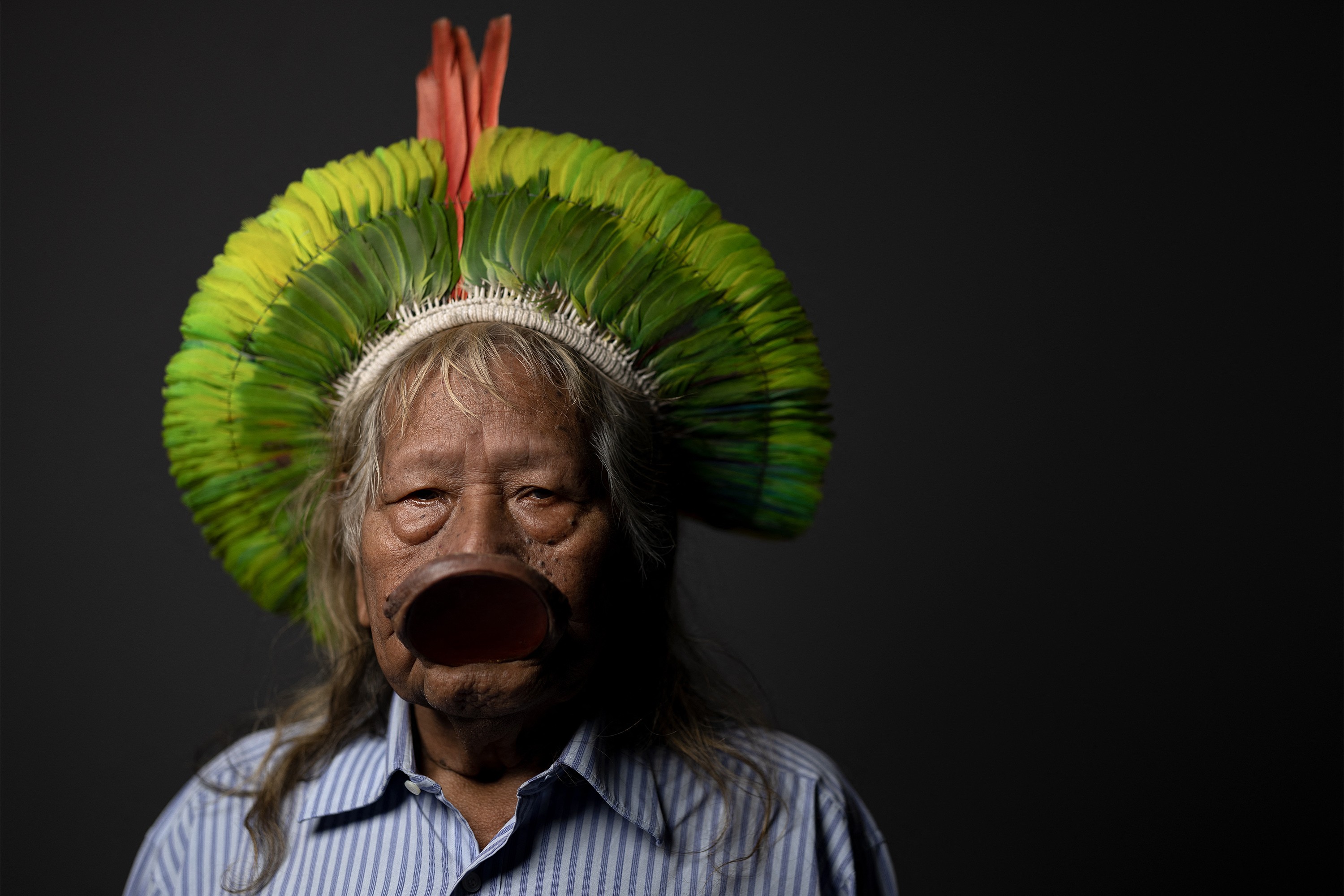
Chieftain Raoni Metuktire, a 93-year-old leader of the Kayapo tribe, has demonstrated improved kidney function and is now able to accept food orally, according to a medical bulletin released by the São Paulo Hospital (HSP/Unifesp) on Sunday, July 12th. He remains conscious, responsive to commands, stable, and is breathing ambient air, though he continues to experience coughing and secretions. Earlier, on Friday, July 10th, he suffered a digestive hemorrhage that was successfully managed by the medical team. Initially, his kidney function had shown a slight decline, but the latest report indicates a positive recovery in this area. Raoni was admitted to the hospital on June 19th with high intestinal obstruction and aspiration pneumonia. A surgery to relieve the intestinal blockage was performed the following day. He was transferred from the Intensive Care Unit (ICU) to a regular ward on Monday, July 6th, after showing clinical improvement. During his hospitalization, he also experienced a right lung pneumothorax on June 30th, which was drained without complications, and another digestive hemorrhage on June 29th, which was controlled via endoscopy. Prior to his transfer to São Paulo, Raoni had been hospitalized in Mato Grosso for severe abdominal pain due to an old hernia. He has multiple pre-existing health conditions, including Chronic Obstructive Pulmonary Disease (COPD), heart disease with an implanted pacemaker, and heart failure. A further health update is expected on Monday, July 13th.
The medical updates on Chieftain Raoni Metuktire highlight the complex health challenges faced by elderly individuals with multiple comorbidities, particularly within the context of remote indigenous communities. His recovery trajectory, marked by significant complications such as intestinal obstruction, pneumonia, and hemorrhages, underscores the critical importance of accessible and advanced medical care. The successful management of these acute events reflects the capabilities of the São Paulo Hospital. Looking forward, the case prompts consideration of proactive health strategies and infrastructure development to support the well-being of indigenous leaders and their communities, mitigating risks associated with chronic conditions and the logistical hurdles of accessing specialized treatment, especially in the face of evolving environmental and societal pressures.
AI-generated to prompt reflection — not editorial opinion, not advice, not a statement of fact. How this works.