Indigenous Leader Raoni Metuktire Stable in ICU After Chest Drain Removal
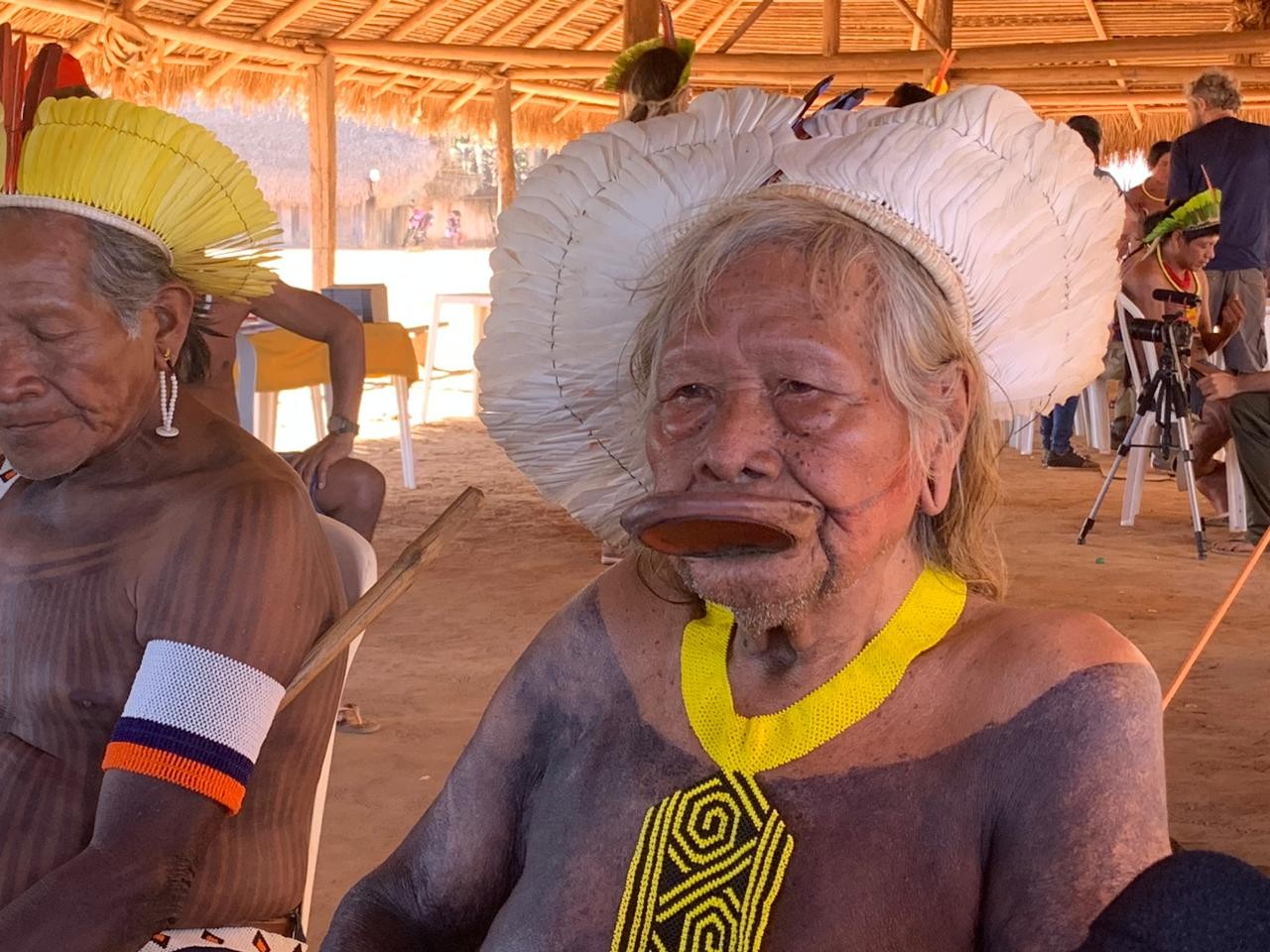
Indigenous leader Raoni Metuktire, 93, has had his chest drain removed and remains in stable condition in the Intensive Care Unit (ICU) at Hospital São Paulo in São Paulo, Brazil, as reported by the hospital on Sunday, August 5th. According to the medical bulletin, Chief Raoni is conscious, responsive to commands, breathing ambient air, fever-free, and receiving oral nutrition. He is being monitored in the ICU and continues to experience a cough with secretions. Metuktire was admitted on June 19th due to high intestinal obstruction and aspiration pneumonia, undergoing surgery for intestinal decompression the following day. On June 30th, a right lung pneumothorax was identified and drained without complications. The hospital also reported that Raoni experienced upper gastrointestinal bleeding on Monday, July 29th, which was successfully controlled through an endoscopy that identified active bleeding in the stomach and duodenum. This is not his first hospitalization this year; in May, he was admitted in Mato Grosso for severe abdominal pain from an old hernia, later returning to the ICU for pneumonia treatment. He has multiple pre-existing conditions, including Chronic Obstructive Pulmonary Disease (COPD), heart disease with an implanted pacemaker, and heart failure. Previously, in September 2022, he underwent pacemaker surgery, and in July 2020, he was hospitalized for gastrointestinal complications and dehydration, later being diagnosed with pneumonia in September of the same year. His mental health was also affected by the death of his wife, Bekwyjkà Metuktire, during this period.
The medical updates on Chief Raoni Metuktire highlight the complex health challenges faced by elderly individuals, particularly those with multiple chronic conditions. His repeated hospitalizations underscore the vulnerability of individuals managing conditions such as COPD, heart disease, and the effects of aging, especially when compounded by acute events like pneumonia and gastrointestinal issues. The extensive medical interventions, including surgery, endoscopy, and ICU monitoring, reflect the intensive care required to stabilize his condition. This situation prompts consideration of long-term care strategies and the healthcare infrastructure supporting remote indigenous communities and their leaders, who often travel significant distances for advanced medical treatment. Future considerations may involve proactive health management protocols tailored to his specific comorbidities and the logistical challenges of providing consistent care.
AI-generated to prompt reflection — not editorial opinion, not advice, not a statement of fact. How this works.