Indigenous Leaders Celebrate Lula's Pledge Against Tapajós River Dredging
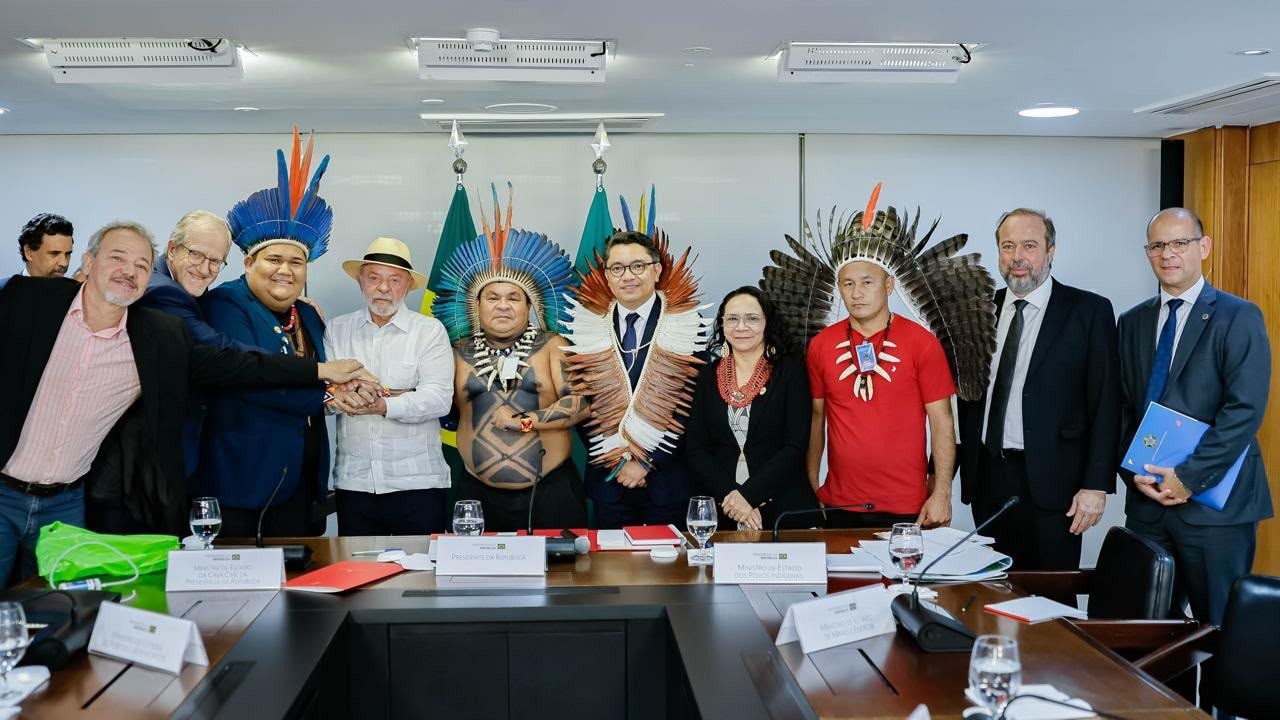
Indigenous leaders from the Lower Tapajós region announced a significant victory following a meeting with Brazilian President Luiz Inácio Lula da Silva in Brasília on Thursday, May 23rd. After nearly four hours of discussion at the Planalto Palace, President Lula reportedly assured the representatives that no emergency dredging would occur on the Tapajós River. Indigenous leaders, who had previously occupied a Cargill terminal in protest against navigation expansion projects and a national privatization decree, celebrated the outcome as a major win for the river's defense, sharing a video on social media to mark the occasion. The federal government had not issued an official statement on the meeting's content at the time of reporting.
During the meeting, indigenous representatives, including Lucas Tupinambá, emphasized their objective was to prevent any river intervention, stating they were not there to negotiate but to secure the Tapajós River's protection. They expressed concerns that dredging could negatively impact fishing, tourism, wildlife breeding grounds, sacred sites, and increase mercury contamination risks. A letter titled "Save the Rivers of the Amazon – Threats from the Northern Arc, Food Sovereignty, and Brazil's Future," signed by 40 organizations, was presented to President Lula and attending ministries, calling for a halt to dredging without environmental licensing or prior consultation and advocating for climate change adaptation plans.
The meeting also addressed the federal government's proposal for emergency dredging, reportedly suggested to mitigate potential impacts of drought linked to El Niño. Indigenous representatives contested this, arguing it would primarily benefit grain export logistics rather than local communities. A technical note from the Infrastructure and Socio-Environmental Justice Working Group questioned the project's scope, suggesting it could deepen and widen the navigation channel beyond mere maintenance, raising alarms about potential environmental damage to fish and turtle habitats, tourism, and indigenous sacred sites. While leaders are celebrating, the official confirmation of the dredging suspension awaits formal administrative measures from the federal government.
The indigenous leaders' reported success in securing a commitment from President Lula to halt emergency dredging on the Tapajós River highlights a critical tension between Amazonian infrastructure development and environmental/indigenous rights. The narrative frames this as a victory for ecological preservation and traditional livelihoods, contrasting with potential economic benefits derived from increased navigation capacity for agricultural exports. The analysis of the situation involves understanding the incentive structures driving both sides: the government's mandate to foster economic growth, potentially through infrastructure projects in the 'Northern Arc,' versus the imperative to uphold constitutional rights of indigenous peoples and protect biodiversity. Looking ahead, the decision reflects a broader challenge for Brazil in balancing its role as an agricultural powerhouse with its commitments to environmental stewardship and social justice, particularly as climate change impacts like El Niño become more pronounced. The long-term sustainability of such decisions will depend on transparent governance, robust environmental impact assessments, and meaningful consultation processes that genuinely incorporate the perspectives of affected communities, moving beyond immediate project approvals to consider the cumulative effects of development in the Amazon basin.
AI-generated to prompt reflection — not editorial opinion, not advice, not a statement of fact. How this works.