Indigenous Leaders Gather in Roraima to Enhance Land Protection and Management
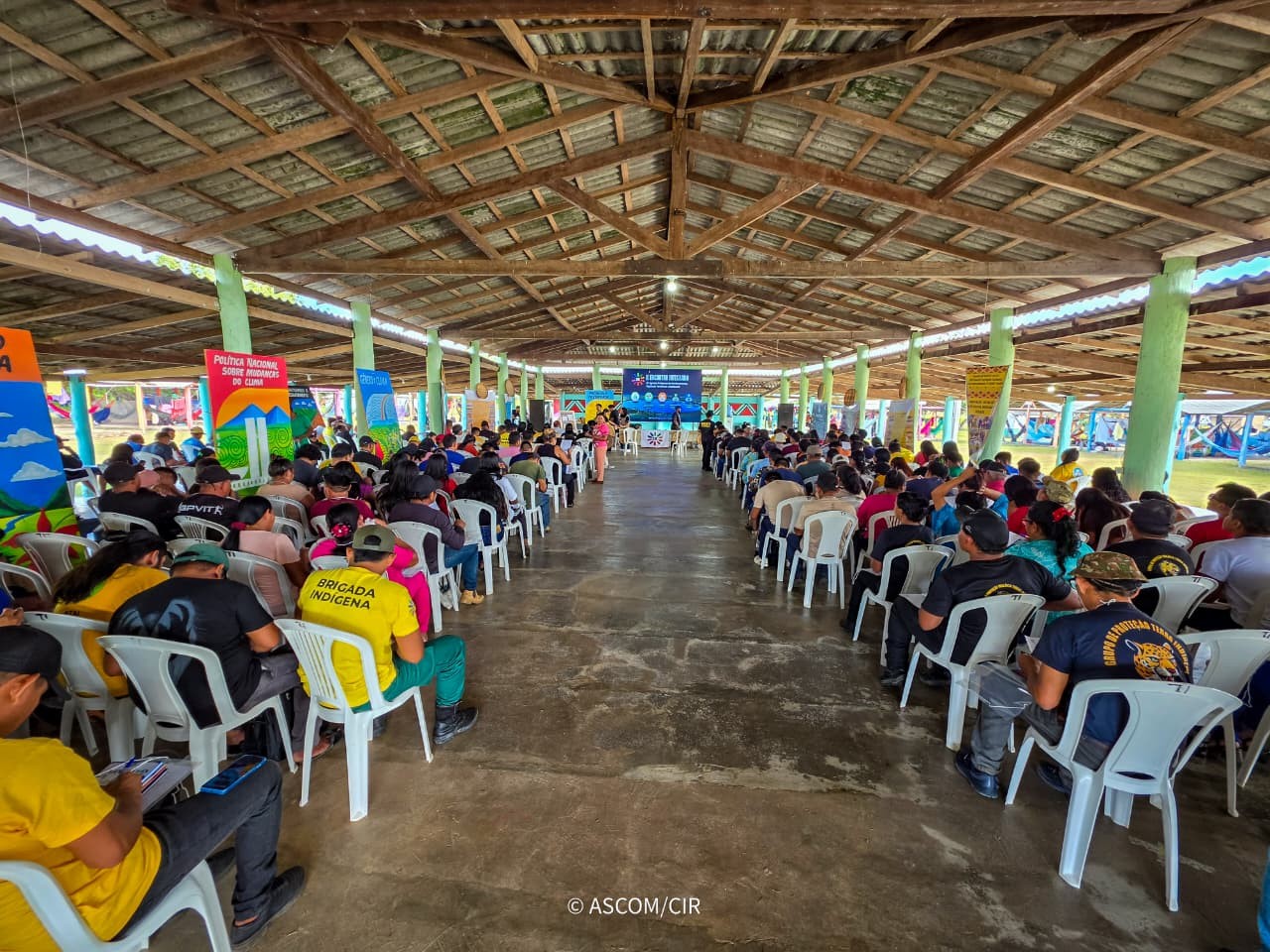
Approximately 300 indigenous individuals convened for a three-day event in Roraima, Brazil, aimed at strengthening the protection and management of their ancestral lands. The II Integrated Meeting of Indigenous Agents for Territorial and Environmental Monitoring and Surveillance took place at the Lago Caracaranã Regional Center within the Raposa Serra do Sol Indigenous Territory. This gathering, initiated by indigenous leadership during a 2025 meeting organized by the Indigenous Council of Roraima (CIR), focused on integrating training processes for agents across various regions and communities affiliated with the CIR. The initiative seeks to bolster collaborative efforts in safeguarding indigenous territories through the exchange of experiences, technical skill enhancement, and strategic alignment to address human rights violations and territorial threats. Participants engaged in discussions covering territorial monitoring, public safety, environmental protection, and the defense of indigenous rights. The objective is to improve the agents' response capabilities to community-affecting occurrences and foster better coordination among indigenous organizations and partner institutions. Key topics included territorial agents' roles in criminal cases, support for violence victims, and monitoring actions across the 11 indigenous regions served by the CIR. During the event, the CIR's Legal Department also launched the second edition of its Indigenous Rights Manual, a resource for leaders and agents involved in territorial protection and collective rights defense, featuring updated legislation and new content on contemporary indigenous challenges. The meeting also advanced strategies from its first edition in October 2025, focusing on a coordinated plan for territorial and environmental management and monitoring, reinforcing indigenous self-determination in managing their lands and protecting their traditional territories and ways of life.
This integrated meeting underscores the growing indigenous agency in territorial governance, moving beyond reactive defense to proactive, coordinated management strategies. The emphasis on integrating diverse roles—from monitoring agents to legal communicators—reflects a systemic approach to complex challenges like resource exploitation and human rights violations. The initiative's focus on capacity building and strategic alignment, particularly through updated legal manuals and integrated plans, aims to equip indigenous communities with the tools for self-determination in the face of evolving external pressures. Looking ahead, the success of such initiatives will depend on sustained inter-organizational collaboration and the effective translation of these strategies into on-the-ground protection, navigating the intersection of traditional knowledge and modern governance frameworks within the context of increasing environmental and economic demands on indigenous territories.
AI-generated to prompt reflection — not editorial opinion, not advice, not a statement of fact. How this works.