Indigenous Teen Celebrates 15th Birthday with Traditional Feast and Music in Tocantins Village
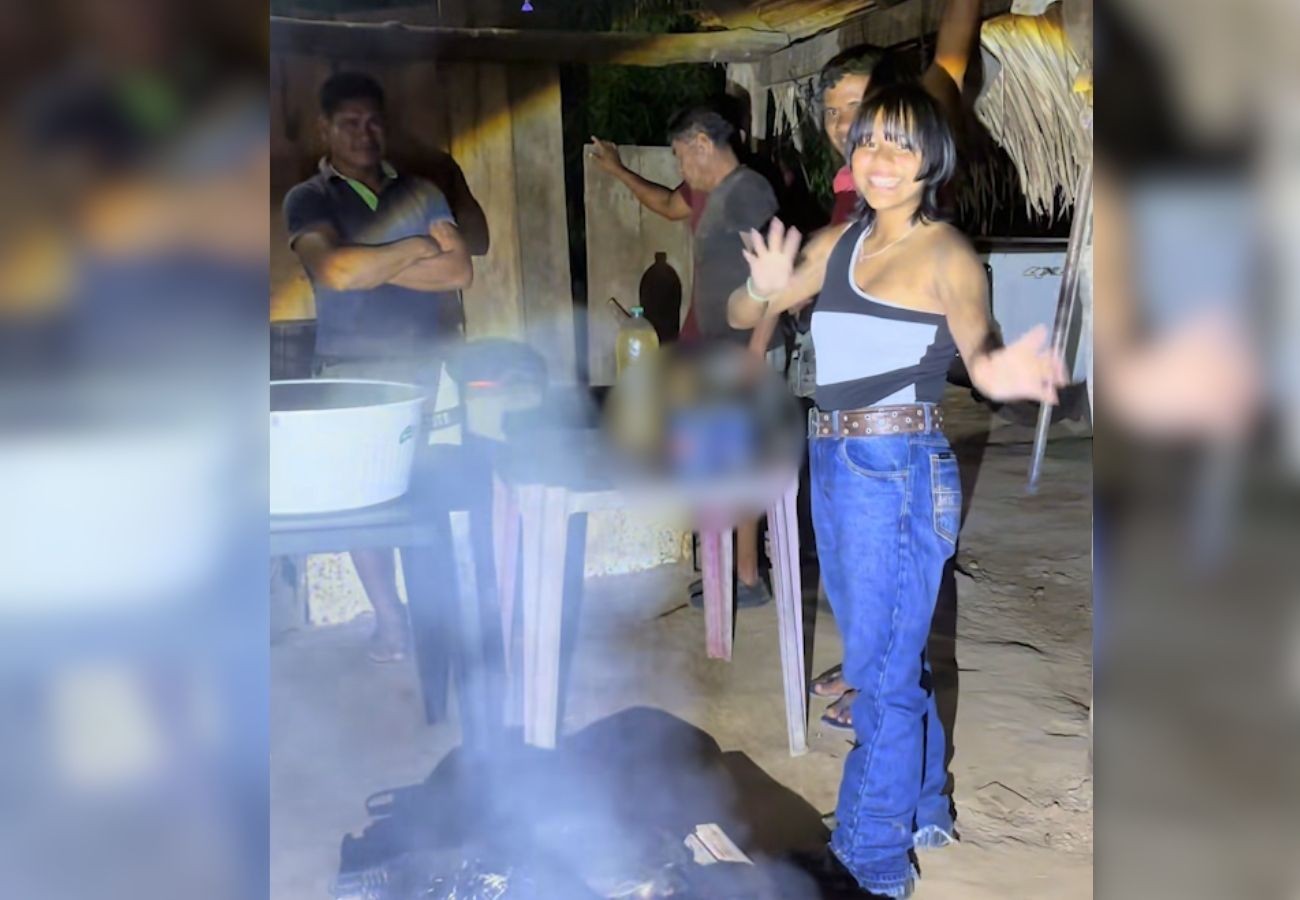
Xiwela Javaé, an indigenous teenager from the Barra do Rio village in Sandolândia, Tocantins, celebrated her 15th birthday with a traditional feast and festivities. The celebration, held in the Ilha do Bananal region along the Rio Javaé, featured traditional indigenous foods, including roasted tracajá and turtle, alongside pork and beef. The event also included cake and forró music, highlighting the preservation and expression of indigenous culture. The vice-cacique of the village, Teixiby Javaé Valdemir Filho, explained that turtle is a principal food for their cultural celebrations and special occasions, emphasizing pride in showcasing their traditional cuisine. Xiwela expressed her happiness and pride in her community and heritage, enjoying her celebration surrounded by family and friends. The consumption of wild animals like turtles is permitted by environmental legislation for indigenous peoples' subsistence and cultural practices within their territories, provided there is no commercialization. These regulations aim to prevent species endangerment. The article details specific Karajá dishes like bororó and bèrèti, which utilize turtle meat and its shell. While the Barra do Rio village is Karajá, it is situated in the Javaé River region. The consumption of these animals by non-indigenous individuals is illegal and carries penalties, as confirmed by Ibama.
This event showcases a vibrant cultural celebration within an indigenous community, emphasizing the intergenerational transmission of traditions and cuisine. The legal framework permitting subsistence hunting and consumption by indigenous peoples highlights a complex balance between cultural rights and environmental conservation. The narrative implicitly raises questions about how such practices are sustained in the face of broader societal pressures and environmental changes, and how legal distinctions between indigenous subsistence and external exploitation are maintained. Future considerations may involve how technological advancements and evolving environmental policies could impact these traditional practices and the ecosystems they depend on.
AI-generated to prompt reflection — not editorial opinion, not advice, not a statement of fact. How this works.