Indonesia Aims for 50 New Ethanol Plants to Boost E20 Fuel Program
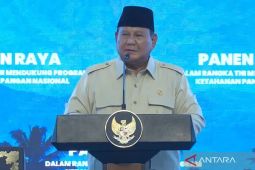
President Prabowo Subianto has announced an ambitious plan to construct up to 50 new ethanol production facilities throughout Indonesia. This initiative is designed to bolster the nation's E20 fuel program, which mandates the blending of 20% ethanol with gasoline. The expansion of ethanol production is seen as a crucial step in reducing reliance on fossil fuels and promoting the use of biofuels. The government aims to increase domestic ethanol output to meet the growing demand for E20 fuel. This policy is expected to support the agricultural sector by creating new markets for sugarcane and other suitable feedstocks. Furthermore, the development of these plants is anticipated to generate employment opportunities and stimulate economic growth in various regions of Indonesia. The E20 program aligns with Indonesia's broader commitment to environmental sustainability and energy diversification. The government is likely to explore various incentives and partnerships to accelerate the construction and operation of these facilities.
The Indonesian government's push for 50 new ethanol plants signifies a strategic pivot towards energy independence and decarbonization, aligning with global trends in renewable energy adoption. This policy leverages agricultural capacity to reduce import dependency for fuel, potentially stabilizing energy prices and improving the trade balance. However, the success of this initiative hinges on several factors: ensuring a sustainable and scalable supply chain for feedstocks, managing land-use implications to avoid environmental degradation or food security conflicts, and developing efficient production technologies. The long-term viability will depend on market dynamics, including the cost-competitiveness of ethanol against fossil fuels and the sustained political will to support biofuel mandates. This move could position Indonesia as a regional leader in biofuel production, but careful planning and execution are essential to navigate potential economic and environmental trade-offs.
AI-generated to prompt reflection — not editorial opinion, not advice, not a statement of fact. How this works.