Indonesia Aims for Land Degradation Neutrality on 12.3 Million Hectares by 2030
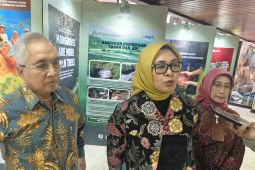
Indonesia's Ministry of Forestry has set a target to achieve Land Degradation Neutrality (LDN) across 12.3 million hectares by the year 2030. This ambitious goal signifies the nation's commitment to restoring and protecting its land resources. LDN aims to ensure that the amount and quality of land resources necessary to support ecosystem functions and services, and enhance food security, remain stable or increase. The ministry's initiative is expected to involve extensive reforestation, sustainable land management practices, and efforts to combat deforestation and land degradation. Achieving this target will require significant investment, policy implementation, and collaboration among various stakeholders, including government agencies, local communities, and the private sector. The success of this program could have far-reaching environmental and socio-economic benefits for Indonesia, contributing to biodiversity conservation, climate change mitigation, and improved livelihoods for its citizens.
Indonesia's commitment to Land Degradation Neutrality by 2030 reflects a growing global awareness of the critical importance of sustainable land management. Achieving LDN on such a large scale presents complex challenges, requiring robust policy frameworks, effective enforcement mechanisms, and significant financial resources. The success of this initiative will likely depend on balancing economic development pressures with ecological preservation goals. Future policy considerations should focus on incentivizing private sector participation and empowering local communities as stewards of the land. This long-term strategy aligns with broader global sustainability objectives and could serve as a model for other nations facing similar environmental pressures in the coming decade.
AI-generated to prompt reflection — not editorial opinion, not advice, not a statement of fact. How this works.