Indonesia Aims for Major Waste Management Gains by 2027
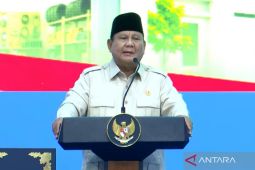
President Prabowo Subianto has announced an ambitious goal for Indonesia to achieve substantial progress in tackling its waste management challenges by the end of 2027. This initiative underscores the nation's commitment to environmental sustainability and public health. The government plans to implement comprehensive strategies to reduce waste generation, improve collection systems, and enhance recycling and processing capabilities across the archipelago. Specific targets and policy frameworks are expected to be detailed in the coming months, outlining the roadmap for achieving these objectives. The program aims to foster a circular economy, minimize landfill reliance, and mitigate the environmental impact of waste. Public engagement and private sector collaboration are anticipated to be key components of this national effort. The success of this plan could significantly improve Indonesia's environmental footprint and contribute to global sustainability goals. This push for progress reflects a growing awareness of the urgent need for effective waste management solutions in rapidly developing nations.
President Subianto's directive signals a strategic pivot towards prioritizing environmental infrastructure, likely driven by the interconnected pressures of public health, resource scarcity, and international climate commitments. The success of this initiative will hinge on the government's ability to translate ambitious targets into actionable policy, secure sustained funding, and foster robust public-private partnerships. The challenge lies not only in implementing new systems but also in shifting societal behaviors towards waste reduction and circularity. Over the next decade, Indonesia's approach to waste management will serve as a critical indicator of its capacity to balance economic development with ecological stewardship, potentially setting a precedent for other emerging economies navigating similar environmental hurdles.
AI-generated to prompt reflection — not editorial opinion, not advice, not a statement of fact. How this works.