Indonesia Aims for Sugar Self-Sufficiency Through Two-Year Sector Overhaul
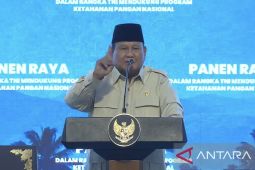
President Prabowo Subianto has initiated a comprehensive two-year overhaul of Indonesia's sugarcane industry with the ambitious goal of achieving full sugar self-sufficiency. This strategic initiative aims to address the nation's current reliance on sugar imports and bolster domestic production capabilities. The overhaul is expected to involve significant policy changes and investments aimed at modernizing the sector and increasing yields.
Details of the specific measures to be implemented are still emerging, but the focus is clearly on strengthening the entire value chain, from cultivation to processing. The government's commitment signals a significant push towards food security and economic independence in the sugar market. This move by President Prabowo underscores a broader trend of developing nations seeking to reduce their dependence on global supply chains and enhance their agricultural resilience.
President Prabowo's initiative to achieve sugar self-sufficiency reflects a common national objective of enhancing economic sovereignty and reducing import dependency. This strategy, while potentially beneficial for domestic producers and food security, necessitates careful consideration of market dynamics and potential trade-offs. The success of such an overhaul hinges on effective implementation, technological adoption, and sustainable agricultural practices. Over the next decade, as global supply chains face increasing volatility and climate change impacts agriculture, nations are likely to prioritize such domestic production strategies. However, the long-term viability will depend on balancing national goals with international trade obligations and ensuring that the overhaul leads to efficient, competitive, and environmentally sound sugar production.
AI-generated to prompt reflection — not editorial opinion, not advice, not a statement of fact. How this works.