Indonesia and Belarus Advance Trade Deal Amidst FTA Ratification Progress
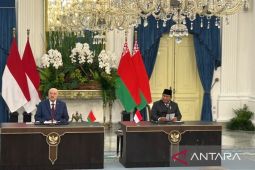
Indonesia is actively working towards ratifying a trade agreement with Belarus, as announced by Indonesian President Prabowo Subianto. The nation is currently in the process of ratifying the Indonesia-Eurasian Economic Union Free Trade Agreement (IEAEU FTA). This development signifies a strategic move by Indonesia to deepen economic ties with the Eurasian region. The IEAEU FTA aims to reduce trade barriers and enhance economic cooperation between Indonesia and the member states of the Eurasian Economic Union (EAEU), which includes Belarus, Russia, Kazakhstan, Armenia, and Kyrgyzstan. President Subianto emphasized the importance of this pact in boosting bilateral trade and investment. The ratification process involves parliamentary approval and legal procedures within Indonesia. Once ratified, the agreement is expected to create new opportunities for Indonesian businesses to access the EAEU market and vice versa. This initiative aligns with Indonesia's broader foreign policy objectives of diversifying its trade partnerships and strengthening its economic resilience in a globalized world. The progress in ratifying the IEAEU FTA highlights the mutual commitment of both Indonesia and Belarus to foster a more robust and mutually beneficial trade relationship.
The push for the Indonesia-Eurasian Economic Union Free Trade Agreement signifies a strategic pivot by Indonesia to diversify its trade relationships beyond traditional partners. This move reflects an understanding of evolving global economic dynamics, seeking to leverage the growing economic bloc of the EAEU. For Belarus, this represents an opportunity to circumvent Western sanctions and find new markets for its goods, particularly in Southeast Asia. The ratification process, however, will be a key indicator of Indonesia's commitment and its ability to navigate potential geopolitical complexities. Future trade agreements will likely be assessed not only on economic merit but also on their alignment with broader geopolitical strategies, especially in an era of increasing global fragmentation and the rise of regional economic blocs.
AI-generated to prompt reflection — not editorial opinion, not advice, not a statement of fact. How this works.