Indonesia and Singapore Forge Stronger Carbon Market Ties
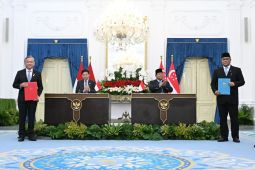
Indonesia and Singapore have signed two agreements aimed at bolstering the governance of fair and high-integrity carbon markets. The pacts were formalized on Monday, marking a significant step in deepening the partnership between the two Southeast Asian nations. These agreements are expected to enhance the framework for carbon trading, ensuring its reliability and fairness. The collaboration focuses on establishing robust mechanisms for carbon credit verification and trading. This initiative underscores a shared commitment to environmental sustainability and the development of effective climate solutions. The partnership will likely facilitate cross-border carbon transactions and promote investment in green projects. Both countries are positioning themselves as leaders in the regional carbon market landscape. The agreements are designed to foster trust and transparency in carbon pricing and offsetting mechanisms. This strategic alignment is crucial for achieving national climate targets and contributing to global emission reduction efforts. The strengthened partnership is anticipated to drive innovation in carbon market technologies and practices.
The bilateral agreements between Indonesia and Singapore on carbon market governance reflect a growing trend of nations seeking to operationalize climate commitments through market-based mechanisms. By focusing on 'fair and high-integrity' governance, the partnership aims to address potential issues of greenwashing and ensure that carbon credits represent genuine emission reductions. This approach can incentivize investment in decarbonization projects by providing a clear and reliable framework for carbon asset valuation. However, the long-term success will depend on the consistent implementation of stringent verification standards and the ability to scale these markets effectively to meet ambitious climate goals. The initiative also highlights the evolving geopolitical landscape of climate action, where regional cooperation can play a pivotal role in setting international norms for carbon trading.
AI-generated to prompt reflection — not editorial opinion, not advice, not a statement of fact. How this works.