Indonesia Considers Carbon Incentives for Green Ports
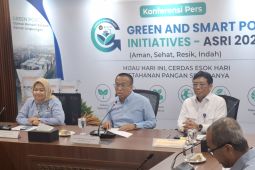
Indonesia's Coordinating Ministry for Maritime Affairs and Investment is exploring the integration of ports into the National Energy Conservation (NEK) scheme. This initiative aims to provide carbon incentives for ports that adopt green port principles and practices. The goal is to encourage the adoption of sustainable operations within the maritime sector. The ministry is currently reviewing the feasibility and specific mechanisms for this inclusion. This move is part of a broader effort to enhance energy efficiency and reduce carbon emissions across various industries in Indonesia. The NEK scheme is designed to promote energy conservation and the use of renewable energy sources. By extending it to ports, Indonesia hopes to foster a more environmentally friendly shipping and logistics infrastructure. Further details on the types of incentives and the criteria for qualifying ports are expected to be announced following the review. The initiative underscores Indonesia's commitment to its climate change mitigation targets.
Indonesia's potential inclusion of green ports in the National Energy Conservation (NEK) scheme represents a strategic alignment of climate policy with economic development. By offering carbon incentives, the government aims to leverage market mechanisms to drive environmental performance in a key sector. This approach could foster innovation in sustainable port operations and attract investment in green technologies. However, the success of this initiative will depend on the clarity and effectiveness of the incentive structure, ensuring it genuinely rewards emissions reductions and resource efficiency. Furthermore, the government must consider potential trade-offs, such as the administrative burden on ports and the equitable distribution of benefits, to ensure broad participation and long-term viability. This policy move anticipates a future where carbon pricing and environmental compliance become increasingly integral to global trade and logistics.
AI-generated to prompt reflection — not editorial opinion, not advice, not a statement of fact. How this works.